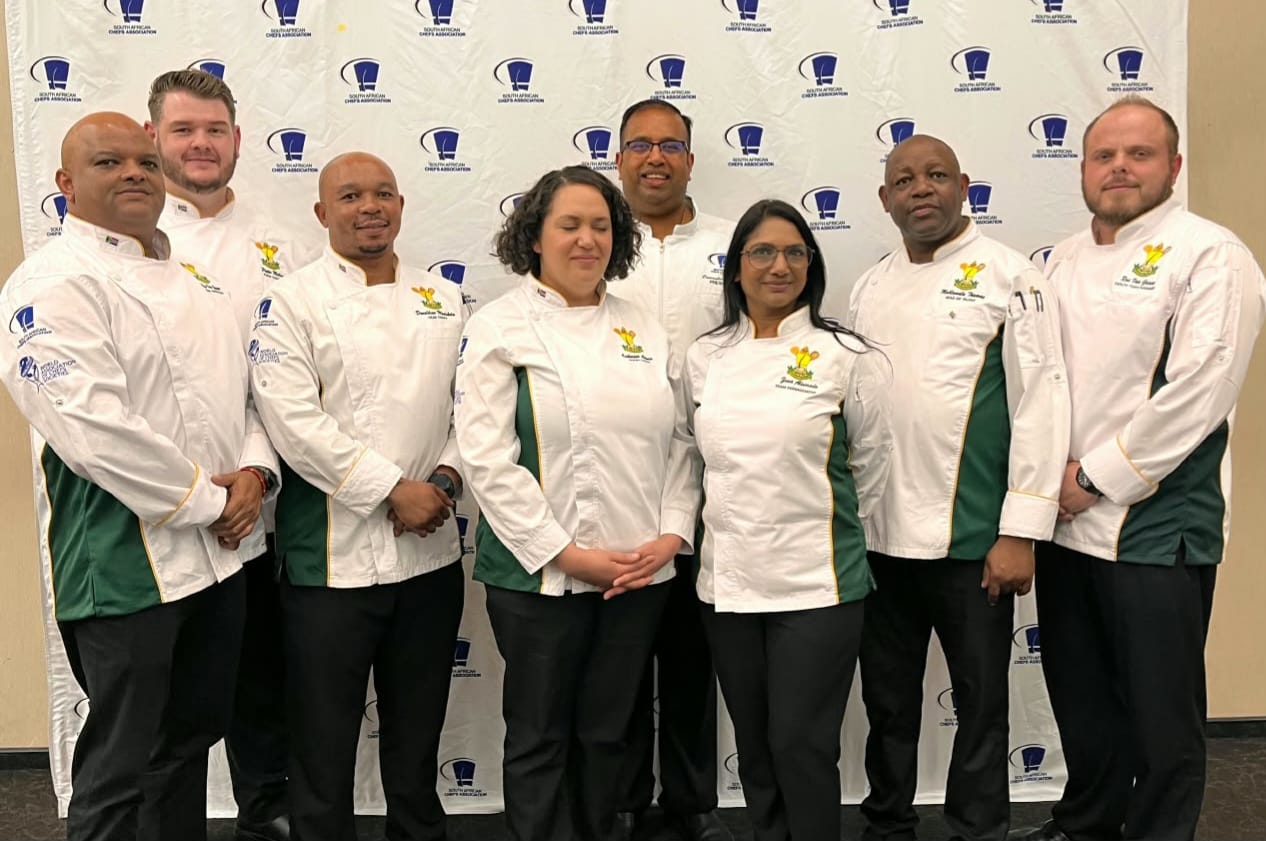
In November, nine South African chefs under the age of 25 will cook in one of the most demanding professional kitchens in world competition for the Culinary World Cup. Team Masakhane, the country’s national junior culinary team, has already earned its place at the 2026 Culinary World Cup in Luxembourg. What the squad still needs is the backing of South African business.
What competition kitchens measure
Competition cooking at this level rewards a skill the restaurant floor seldom demands: the ability to repeat excellence precisely, against a clock, in a kitchen you did not build and cannot rearrange. Talent gets a young chef noticed. Consistency is what wins medals.
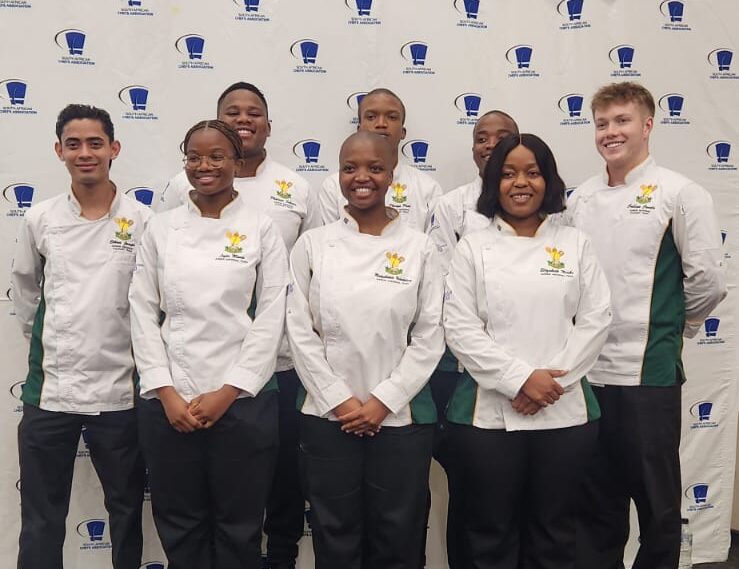
That discipline goes on show from 21 to 25 November, when Team Masakhane, South Africa’s national junior culinary team, competes at the 2026 Culinary World Cup in Luxembourg. The squad of nine, every member under the age of 25, was selected through a rigorous national process run by the SA Chefs Association, and each chef has been awarded official green and gold colours.
Held every four years, the Culinary World Cup ranks among the largest and toughest professional cooking competitions in global hospitality. This edition will bring more than 2000 chefs representing 55 countries into the same halls.
The squad
The team reads like a map of the country’s leading hotel kitchens and the academies that feed them. Four of the nine are young black women, a useful signal of where South African fine dining is heading.
- Unami Binda, Four Seasons Hotel The Westcliff (Capsicum Culinary Studio)
- Makgobokele Nchabeleng, private chef (Chefs Training & Innovation Academy)
- Loyiso Mlondo, 54 on Bath (Capsicum Culinary Studio)
- Elizabeth Ncube, Saxon Hotel (HTA School of Culinary Art)
- Callum Condie, Swiss Hotel School (SHS South Africa)
- Ethan Joseph, Saxon Hotel (FBI Chef School)
- Lesedi Morudi, Four Seasons Hotel The Westcliff (Capsicum Culinary Studio)
- Phenyo Pooe, 54 on Bath (The Professional Cooking Academy)
- Pholoso Sebola, Marriott Melrose Arch (HTA School of Culinary Art)
Behind them sits a training and support structure of decorated and highly experienced chefs, led by Head Coach Chef Donaldson Madubela, with Technical Head Coach Chef Marcus Gericke and Pastry Coach Chef Catherine Adonis. Team Manager and Director of Competitions Chef Pieter Malan and Head of Team Talent Mahlomola Thamae complete the management line up.
What they will be judged on
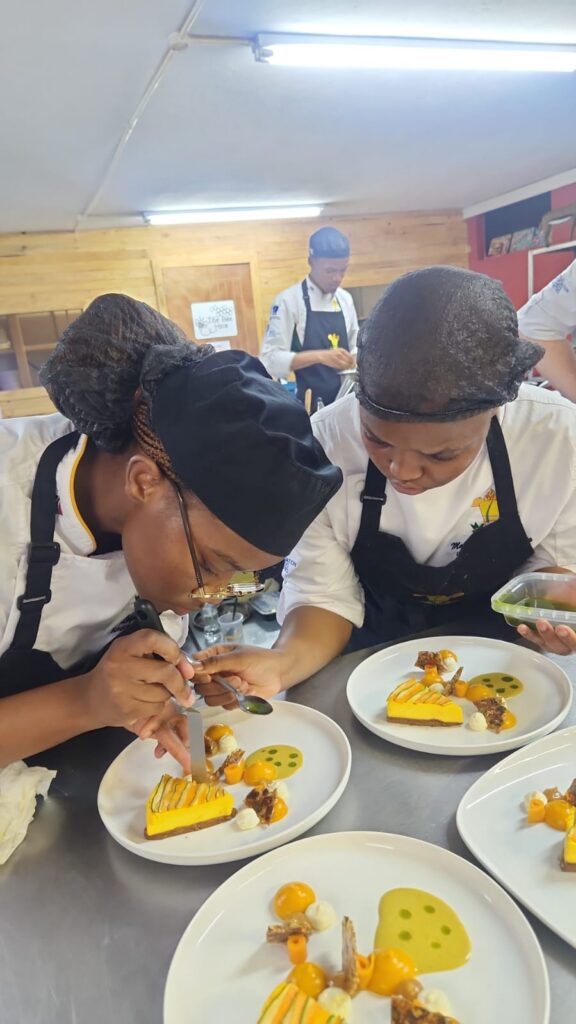
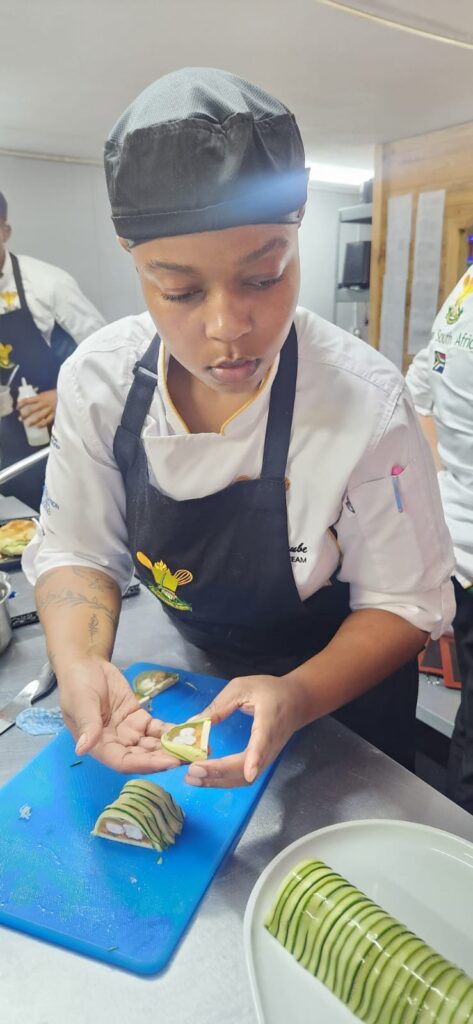
Team Masakhane will compete in two main programmes. In the Hot Kitchen, the team prepares a three course meal for 70 people. In the Chef’s Table, it presents a themed sequence of three dishes, scored across hygiene and food waste, professional preparation, techniques and workflow, innovation and taste.
That scoring sheet is worth dwelling on. Food waste sits alongside technique as a judged criterion, which tells you something about how the profession now defines excellence. The plate has to be beautiful and precise, and the kitchen that produced it has to be defensible.
“Team Masakhane is going to Luxembourg to demonstrate that they can plan, create, execute and serve food to international competition standards as a cohesive professional kitchen team,” says Coo Pillay, President of SA Chefs. “This is a phenomenal opportunity for our young chefs to showcase their collective talent. More than that, it positions South Africa’s incredible and diverse cuisine and culinary talent firmly on the world stage.”
The part talent cannot cover
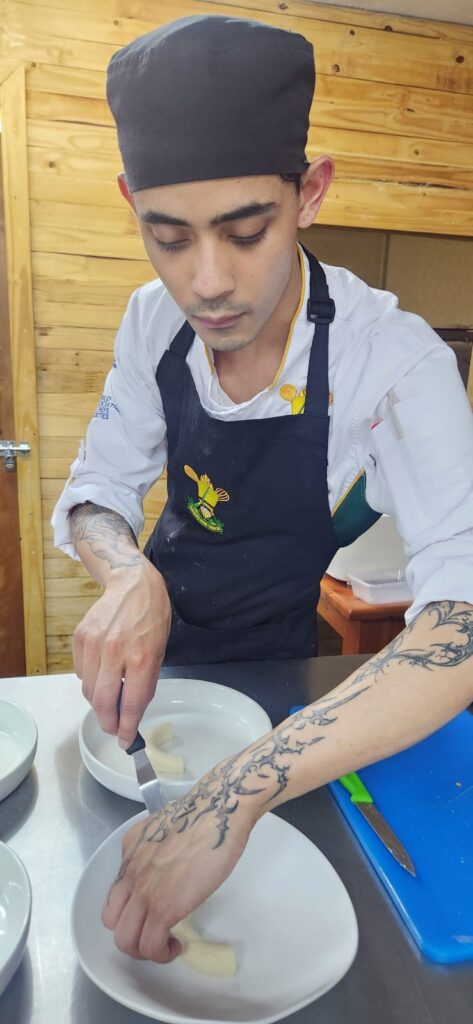
Getting to a world cup takes more than ability. Months of intensive training, ingredients, equipment, travel, accommodation, visas and competition costs accumulate quickly, and they fall due long before the team walks into the venue.
“Our young chefs have earned their place on the team,” Pillay says. “Now they need the greater support of South African business and the wider community to ensure that financial constraints do not stand between them and the opportunity to proudly represent their country.”
SA Chefs has invited businesses, hospitality groups, food producers, suppliers and individuals to get behind the team’s journey, with contributions of any size going towards training and competition costs, and structured sponsorship available to corporate partners.
“The cost of transporting the team to the World Cup is considerable. But supporting Team Masakhane is an opportunity to invest in South Africa’s exceptional culinary talent, overall professional development and invaluable international experience.”
For the hospitality and food sector, the logic is close to self evident. These nine chefs already work in the hotels and restaurants that shape how the country eats at the top end. The experience they bring home in December will return to those kitchens, and to the ones they will run in a decade
Organisations interested in supporting Team Masakhane’s journey to Luxembourg can find the details on the SA Chefs website.
Ten weeks out
Masakhane means “let us build together”, which is a fitting name for a team assembled from nine different kitchens and six different academies and asked to cook as one. With ten weeks to go, the training is intensifying and the plates are being rebuilt, refined and timed.
Countries tend to be judged abroad by what their established chefs achieve. They are shaped at home by what their young ones are given the chance to attempt.


Related Articles
The BAM Collective’s CHROMISM: 7 Things That Made the Forest Runway Work
Thirty handcrafted looks by The BAM Collective, an operatic opening…
The Badge Has Changed: How South African Luxury Car Buyers Are Rewriting Automotive Status
For decades, South African luxury car buyers saw a German…
Inside Gucci’s Season of Causes: New York, Athens and Venice
In the space of two days, Gucci moved from a…