Healing is rarely the dramatic breakthrough we imagine. More often it is a quiet, deliberate return to ourselves, and it can start inside the life we are already living. These six principles came out of a year of learning to listen again, and a Life Force Activation session at Alchemy Studio in Dunkeld.
The Long Habit of Looking Away
How does one actually define healing? It sounds like a simple question, yet many people spend years avoiding it. Answering it honestly means admitting that something needs to heal in the first place.
Avoidance is a familiar strategy, particularly among people who are used to functioning well. Feelings get filed away, difficult moments are shut down and anything painful is kept at a safe distance. Beneath all of this there is often a quiet fear that feeling what happened will mean finally having to face it.
The turn usually comes gently. It can be a decision to find yourself again, and to listen more closely to the soul, the spirit and, above all, the body. The process is seldom easy, but it produces a clearer and kinder understanding of what healing can look like. These six principles are a good place to begin.
1. Let Go of the Grand Moment
Healing is often imagined as a single, cinematic moment of clarity, when everything suddenly makes sense. That moment rarely comes. Waiting for it can become another way of avoiding the work.
Real progress is smaller and more ordinary. It might be a calmer conversation, a better night’s sleep or a hard feeling allowed to stay rather than pushed away. Accept that the change will be quiet, and it becomes far easier to recognise when it arrives.
2. Stop Looking Away
Sometimes healing is simply being honest with yourself and feeling what you have been avoiding. It is less comfortable than it sounds.
Avoidance is efficient. It keeps people working, meeting deadlines and showing up for everyone else. The cost is that whatever is avoided does not disappear. It waits. Honesty does not need a crisis to begin. Start by noticing the subjects you steer away from, or the memories you close down before they finish arriving. Naming them, even privately, is the first step towards facing them.
3. What the Body Keeps
Healing practitioners increasingly start from the idea that emotional experiences, including traumatic ones, are felt in the body. From there, working with the body becomes part of working through what still needs attention. It is a sobering thought: the body may hold far more than the mind is willing to admit.
This kind of attention needs no special setting. Across an ordinary day, notice where tension gathers. It might be the jaw during a difficult meeting, the shoulders in traffic or the chest before a phone call you have been dreading. The body often registers what the mind is not yet ready to say.
4. The Discipline of Stillness
Johannesburg rewards momentum. It rarely makes room for stillness, and many of its residents have learnt to treat rest as something to be earned.
Sitting with yourself is one of the simplest parts of healing and one of the most demanding. It need not be formal meditation. It can be ten minutes without a phone, a walk without a podcast, or a morning without coffee spent noticing how you actually feel. The point is to stop filling every silence long enough to hear what lies beneath it.
5. A Space Someone Else Holds
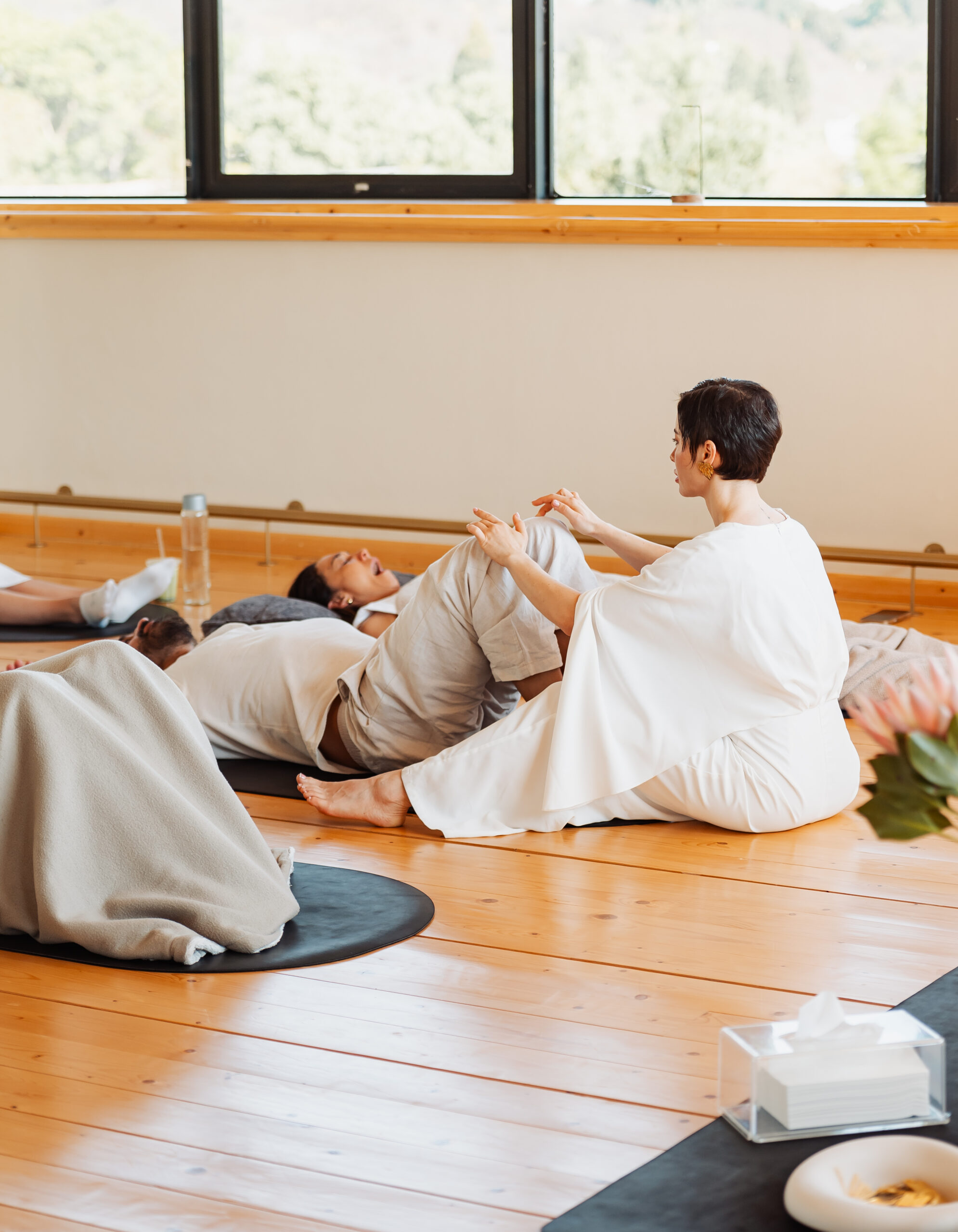
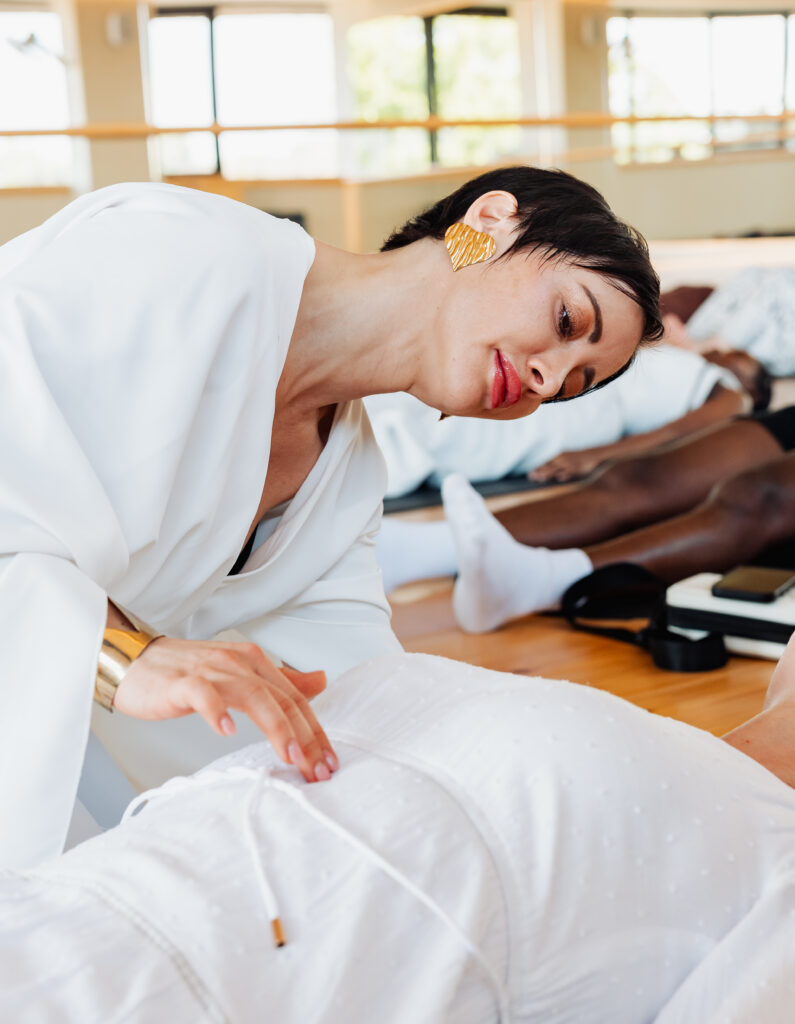
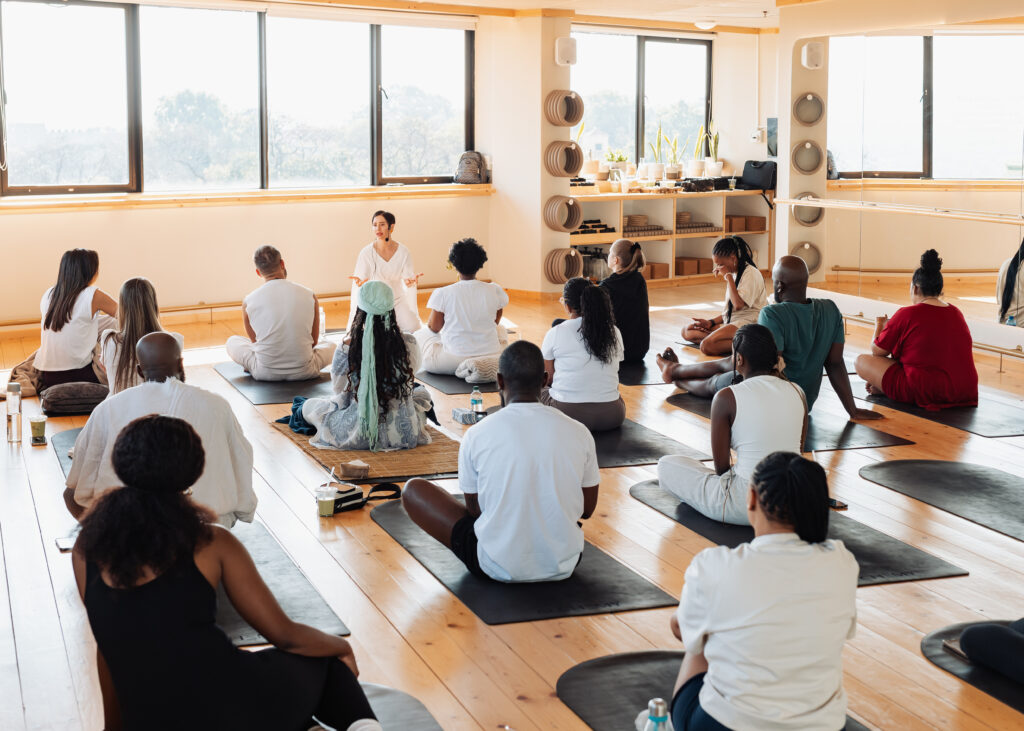
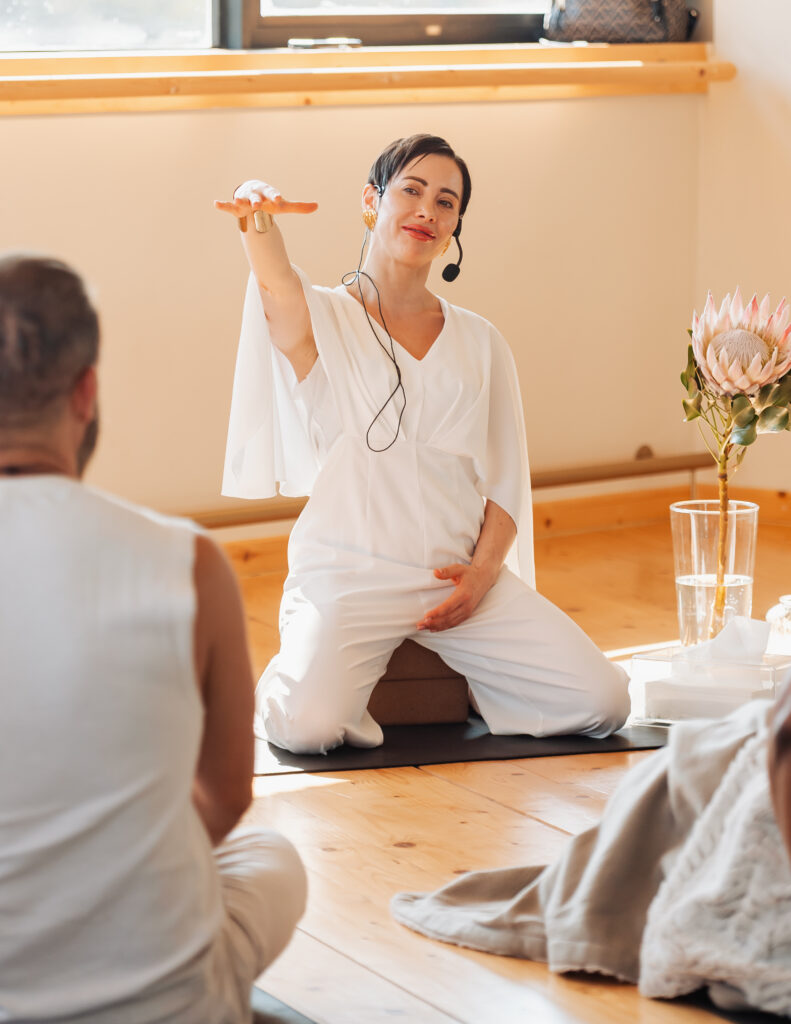
Some things are difficult to do alone. There is real value in the people who create spaces where others can do this work safely, and Irena Kovaljukova’s Life Force Activation sessions at Alchemy Studio in Dunkeld are one example.
Guests spend the whole session lying on their backs on a yoga mat while Irena guides them. Music plays at a deliberately high volume to support relaxation, emotional release and immersion. Responses vary. Some people relax deeply, while others laugh, cry, move or breathe differently, and some feel warmth, coolness or tingling. Irena is clear that there is no right or wrong way to experience it, and that no one needs to force an emotional response.
The preparation shows how seriously the experience is treated:
- Eat lightly. Ideally, eat nothing for about two hours beforehand, and avoid meat, fried food and heavy meals on the day.
- Arrive calm. Skip the morning coffee where possible, and avoid energy drinks.
- Arrive clear. Alcohol, recreational drugs and psychedelic substances are ruled out as a safety requirement.
- Dress for comfort. Choose loose, warm layers and nothing with zips or hard buttons. In Irena’s words, this is not a fashion event.
- Bring what helps. Earplugs and an eye mask are welcome but entirely optional.
- Be open about your health. Before the session, tell Irena about any neurological or psychiatric condition, psychiatric or neurological medication, epilepsy or seizures, significant neurological procedures, pregnancy, or anything else that may be relevant. Mentioning these does not automatically rule anyone out. It starts a conversation about whether the session is appropriate and safe. “If you are unsure whether something in your medical history is relevant, please tell me anyway,” she writes. “It is always better to ask.”
A space like this is not a substitute for medical or psychological care. It can sit alongside that care, and anyone living with ongoing mental health concerns should speak to a qualified professional first.


6. Allow It to Be Slow
The final principle is patience. Healing is not a single appointment, and it will not be finished by the end of a season.
It is a slow process of learning how to come back to who you are. That might mean one honest conversation this month or one evening of stillness each week. It might also mean letting yourself be seen, unguarded, perhaps for the first time in years. Vulnerability often feels like the risk, but it can also be the proof that something has already begun to shift.
The Quiet Courage of Feeling
More conversations like this are needed, along with more spaces where people can have them. The pressure to appear composed rarely lets up, so choosing to feel is a quiet act of courage. Understood this way, healing is less a destination than a return. It happens gradually and honestly, alongside everything else life asks of us.


Related Articles

Singularity Summit South Africa 2026: Full Programme Revealed
With more than 40 speakers from around the world, Singularity…
The BAM Collective’s CHROMISM: 7 Things That Made the Forest Runway Work
Thirty handcrafted looks by The BAM Collective, an operatic opening…
The Badge Has Changed: How South African Luxury Car Buyers Are Rewriting Automotive Status
For decades, South African luxury car buyers saw a German…