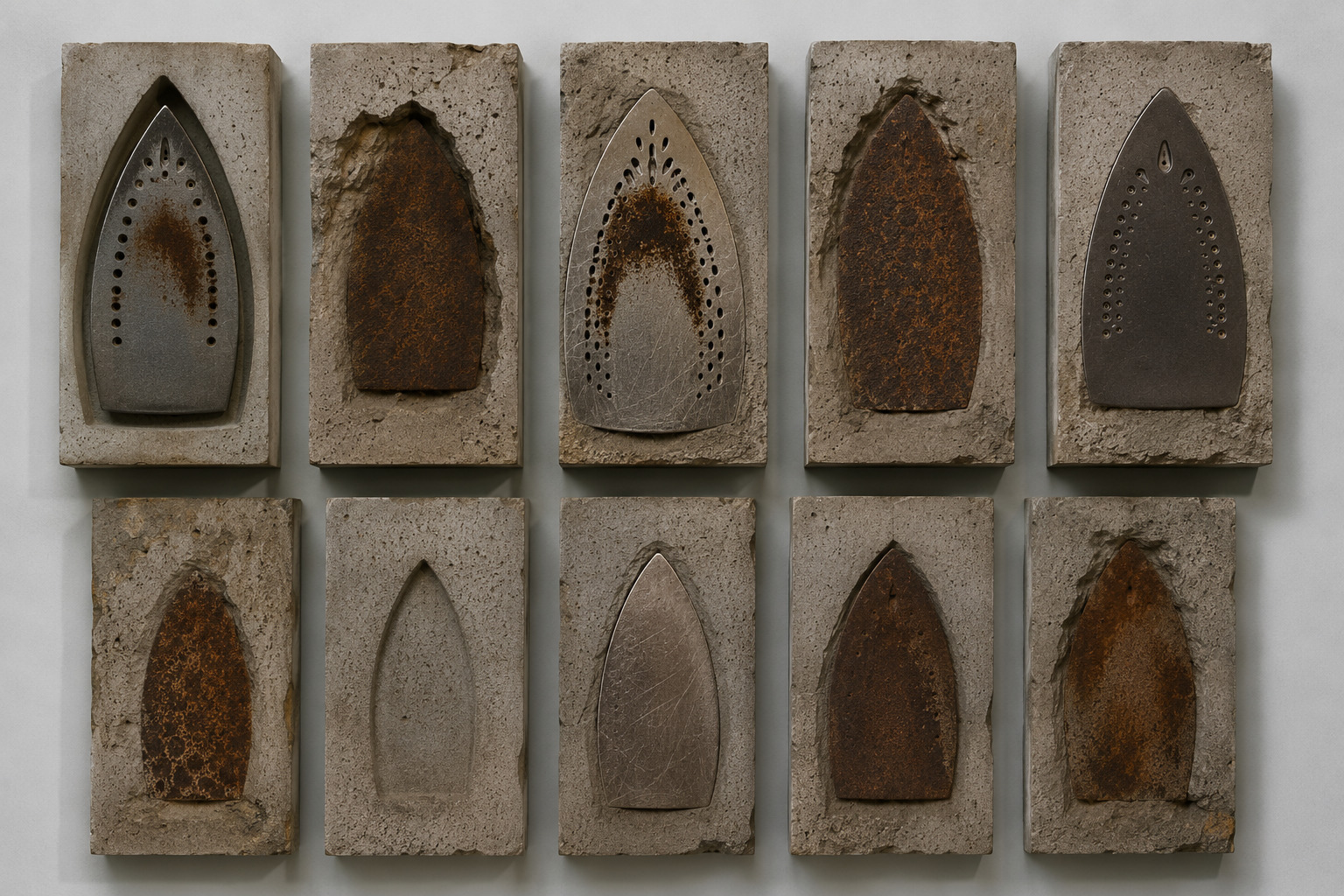
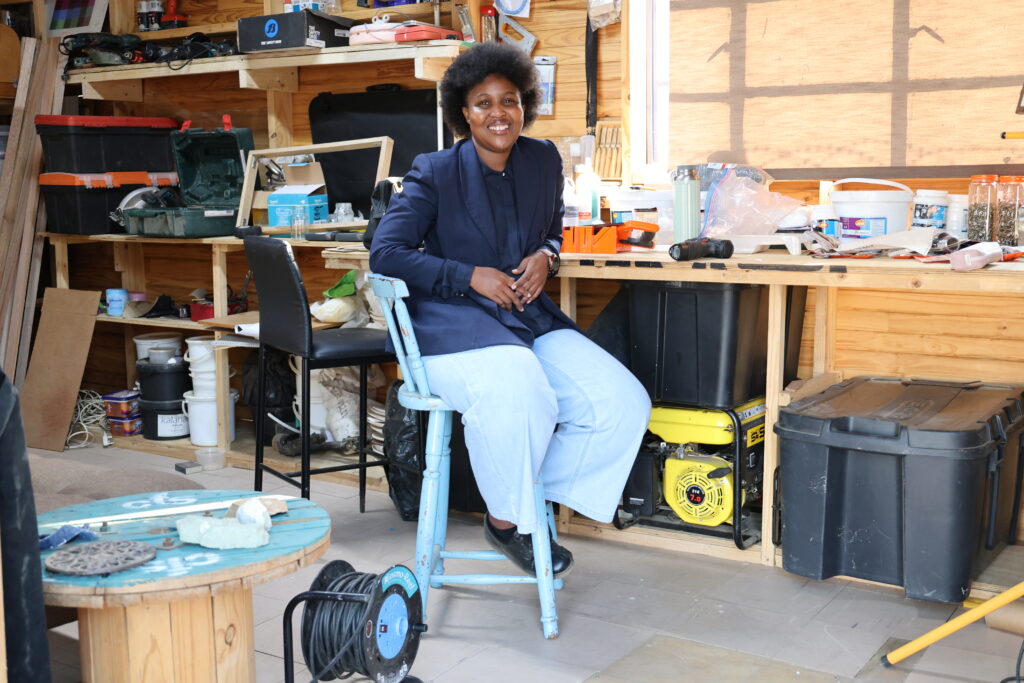
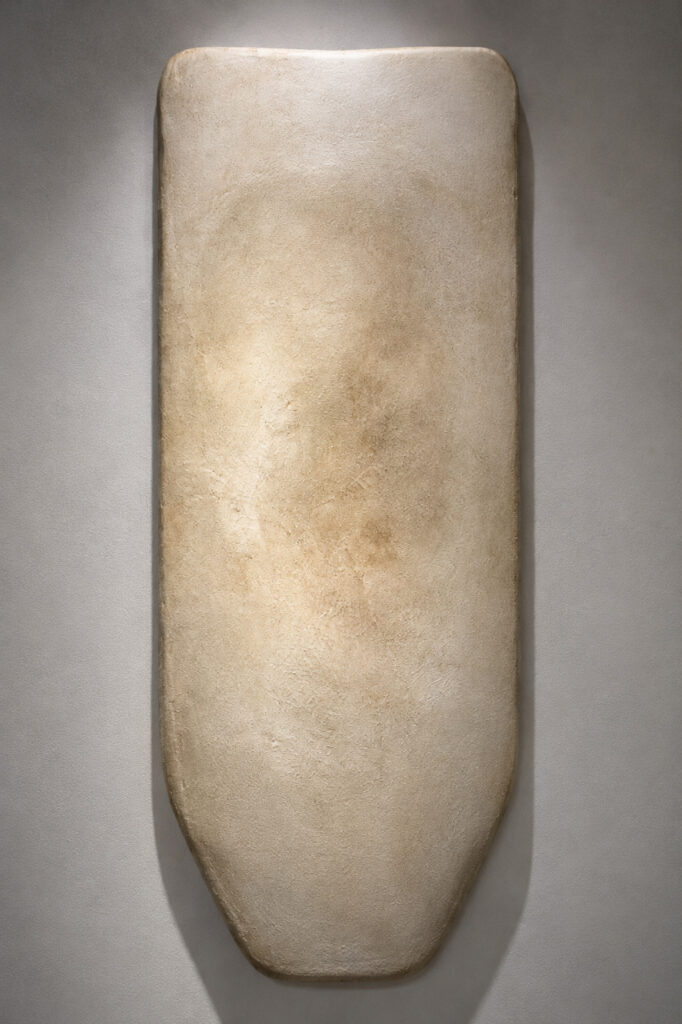
The 2026 FNB Art Prize has been awarded to Kelebogile Marope, but the more interesting story sits behind the announcement. Nineteen editions into FNB Art Joburg and sixteen prizes in, this is one of the few corporate cultural commitments on the continent old enough to be measured in careers rather than campaigns. That longevity is the point.
The short life of most sponsorships
Most corporate arts partnerships in South Africa do not survive a change of marketing director. They arrive with a campaign, produce a well attended launch, then lapse when the budget cycle turns. Artists treat them accordingly.
Against that pattern, the FNB Art Prize is an anomaly. It has been awarded sixteen times, alongside a partnership with Art Joburg that FNB now describes as approaching two decades. This year it goes to Kelebogile Marope, selected by a jury comprising Kim Kandan, fair manager and FNB Art Joburg representative, curator Mike Mavura, and interior designer and collector Véronique Savigné.
The announcement lands as Africa’s leading and longest running contemporary art fair marks its nineteenth edition. What has accumulated in that time is not a series of gestures. It is infrastructure.
The list is the evidence
The clearest measure of whether a cultural investment works is what happens to its recipients afterwards. On that test, the record is unusual.
Previous winners include Thato Toeba, Gresham Tapiwa Nyaude, Lindokuhle Sobekwa, Dada Khanyisa, Wycliffe Mundopa, Lady Skollie, Bronwyn Katz, Haroon Gunn-Salie, Peju Alatise, Nolan Oswald Dennis, Turiya Magadlela, Portia Zvavahera, Nelisiwe Xaba, Mocke J van Veuren, Kudzanai Chiurai and Cedric Nunn.
Read together, those names function as a working map of contemporary African art over the past two decades, spanning photography, painting, performance, installation and moving image. Few awards have called it correctly with that consistency.
A prize that has repeatedly identified artists ahead of the market accrues a credibility that money alone cannot buy. Collectors watch it. Institutions watch it. That attention is the return, and it compounds.
Beyond the fair itself
FNB Art Joburg frames its mandate as sustainably supporting and growing the continent’s cultural offering in ways that extend beyond the fair. The distinction is deliberate, and where most fairs stop short.
A fair is a compressed marketplace. Galleries sell, collectors buy, and the ecosystem takes its cut over four or five days. Valuable, but self contained. A prize does something structurally different. It moves value directly to the artist at the point in a career where capital is scarcest, and it does so on curatorial judgment rather than sales performance.
“For almost two decades, our partnership with Art Joburg has been rooted in a commitment to nurturing and elevating African talent, creating platforms for artists to grow from emerging talent into globally recognised cultural contributors,”
– Says Linda Kachingwe-Sisya, FNB chief marketing officer.
There is a commercial logic underneath the cultural one. Association with an award that has a documented record of getting it right is worth more than association with an event that merely happened. The first accrues authority. The second depreciates the moment the doors close.
The harder point is that this value cannot be bought quickly. It is built by staying long enough for artists to trust the platform will exist next year, and for the market to read the pattern in the selections.
Why the model matters now
African art has moved decisively into global institutional and auction conversations over the past decade. The infrastructure supporting it remains thinner than that attention suggests. Galleries are undercapitalised, public funding is unreliable, and many of the artists now showing abroad were sustained early by private and corporate initiatives rather than the state.
That places a responsibility on the private sector, and makes the distinction between sponsorship and patronage worth drawing. Sponsorship buys visibility at an event. Patronage funds the conditions under which work gets made.
Johannesburg’s standing in the global art conversation is not a permanent asset. It is renewed each year by the fair, the galleries, the collectors who buy locally and the awards that give young artists a reason to build careers here rather than abroad. Every one of those is a decision somebody makes, and any can be withdrawn.
Nineteen editions is not a milestone worth marking for its own sake. It matters because so few comparable commitments have lasted half as long, and because the artists who passed through this one went on to define much of what the world now recognises as contemporary African art. That is not sentiment. It is a demonstrated return, and it makes the case for more to follow.


Related Articles

Fewer, Better: 8 Beauty and Wellness Finds That Earn Their Place
This season’s most interesting beauty and wellness launches aren’t adding…
FH55 Hotels and the Art of Changing Without Letting Go
After seven decades of welcoming guests in Florence, Rome and…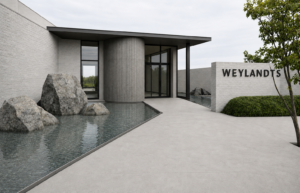
Weylandts Sibaya and the Showroom Built for Lingering
On 3 October 2026, Weylandts opens its new KwaZulu-Natal home…