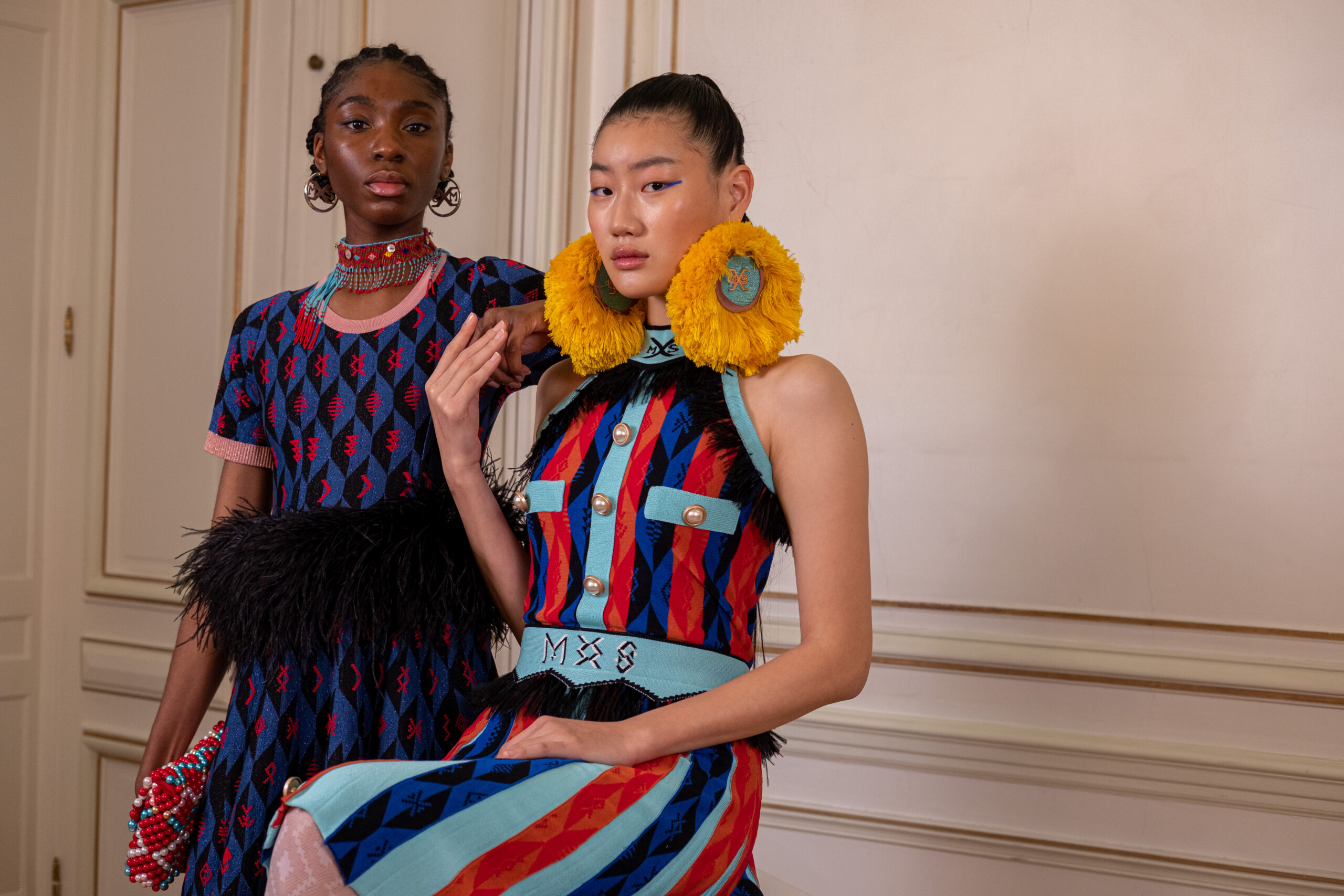
Maxhosa Africa’s presence at Paris Fashion Week reflects a wider shift in global fashion, where African heritage, craftsmanship and cultural identity are increasingly shaping the language of contemporary luxury.
Maxhosa Africa Takes African Fashion to Paris
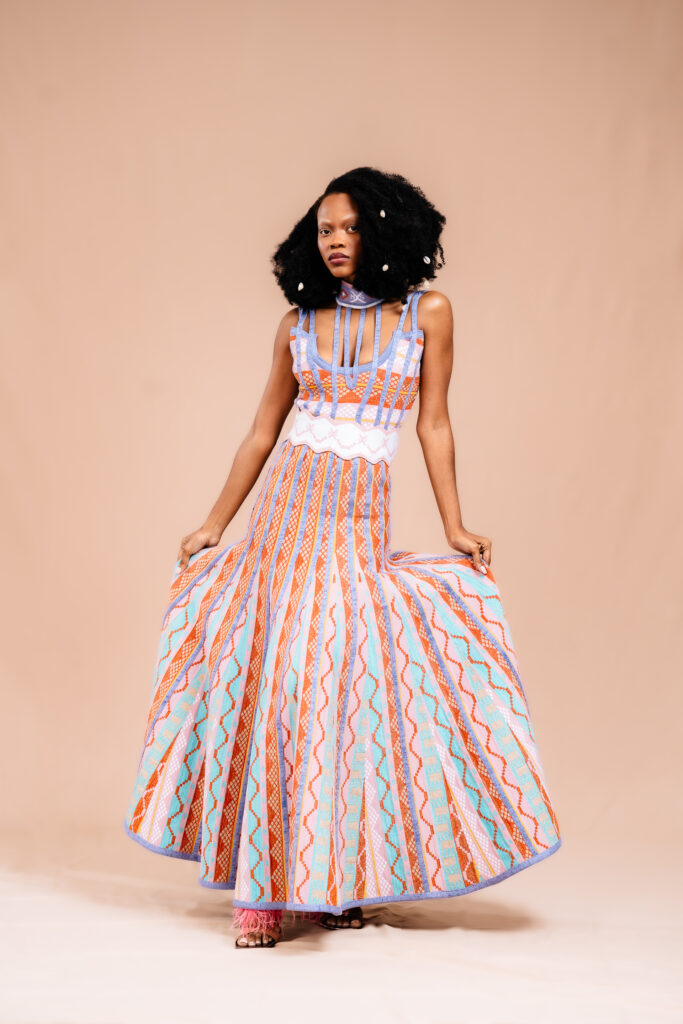
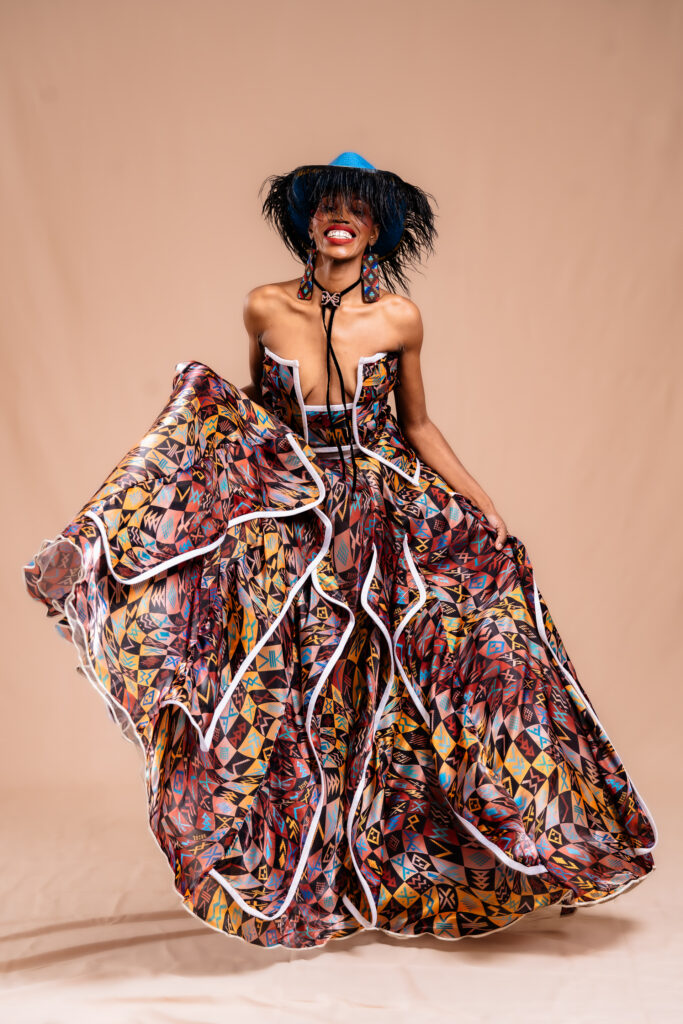
Maxhosa Africa arrives at Paris Fashion Week with a proposition that extends beyond the runway: African fashion can be culturally specific, commercially ambitious, and globally relevant at the same time. Founded by South African designer Laduma Ngxokolo in 2010, the brand has established a distinctive identity centered on African heritage, contemporary knitwear, and craftsmanship. Its presence in Paris places that creative language within one of fashion’s most influential global arenas.
For South African fashion, this is a significant development. Paris is not simply another international destination on the fashion calendar. It is a platform where designers, buyers, editors, luxury houses, and cultural tastemakers gather to shape the direction of the industry.
Understanding Why Paris Fashion Week Matters
Paris Fashion Week is one of the world’s leading fashion events, forming part of the international fashion calendar alongside New York, London and Milan. Twice a year, established luxury houses and emerging designers present their collections to an international audience, influencing everything from seasonal trends and retail to cultural conversations around fashion.
Being part of this ecosystem gives a designer access to an audience that extends far beyond the runway. For Maxhosa Africa, Paris creates an opportunity to place South African design within a global discussion about where luxury is heading and whose cultural perspectives are shaping it.
African Heritage Becomes the Starting Point
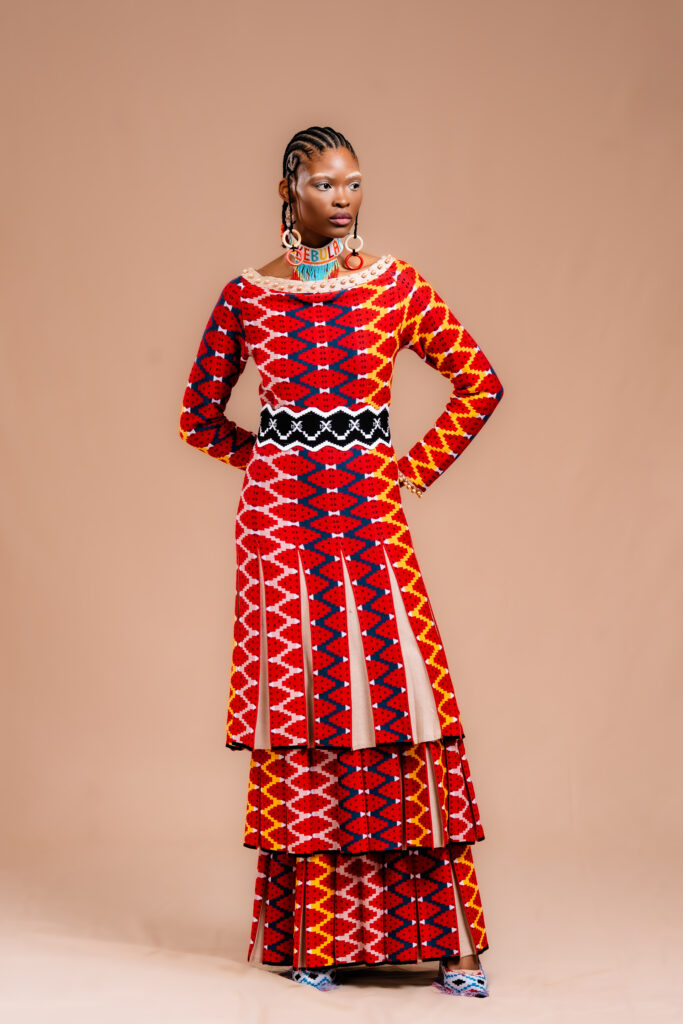
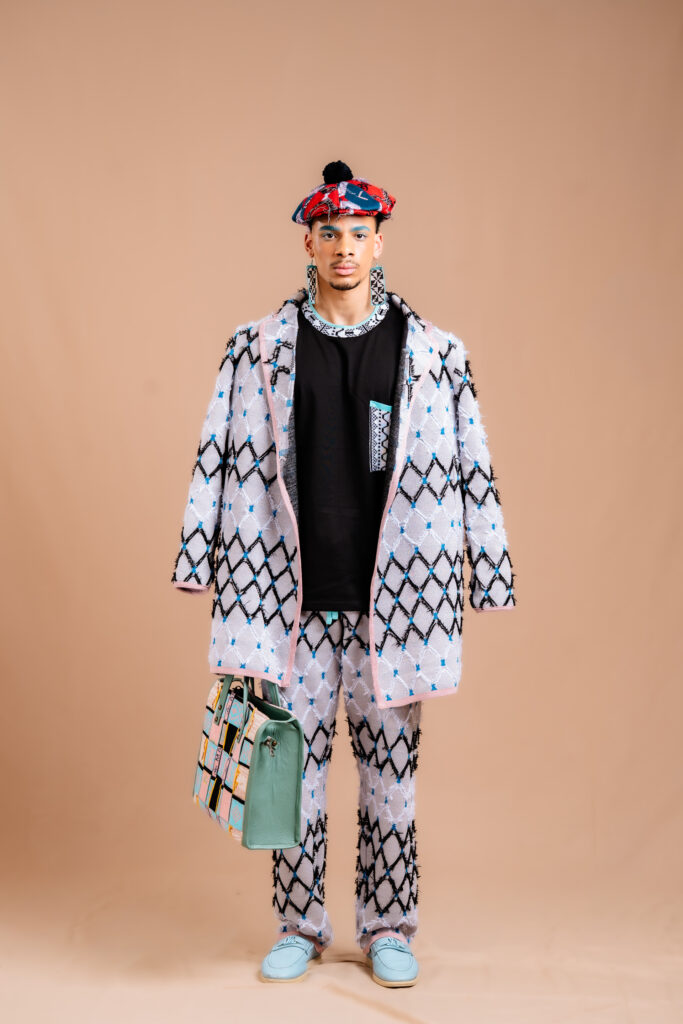
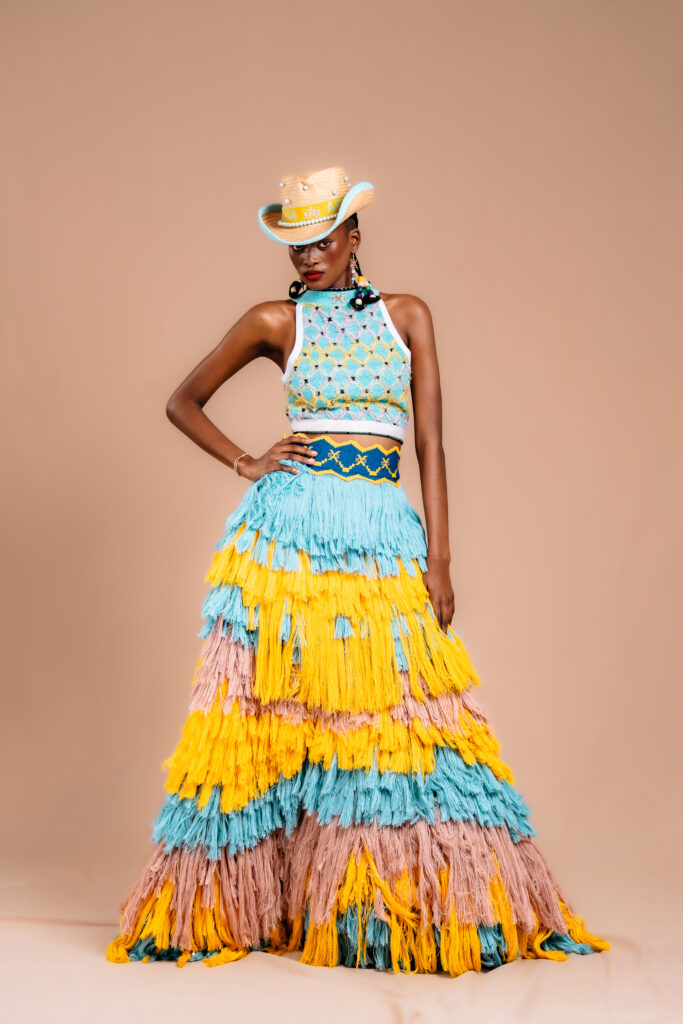
One of Maxhosa Africa’s most significant contributions has been its approach to heritage. Rather than treating African culture as a visual reference to borrow from, the house builds its design language from within it.
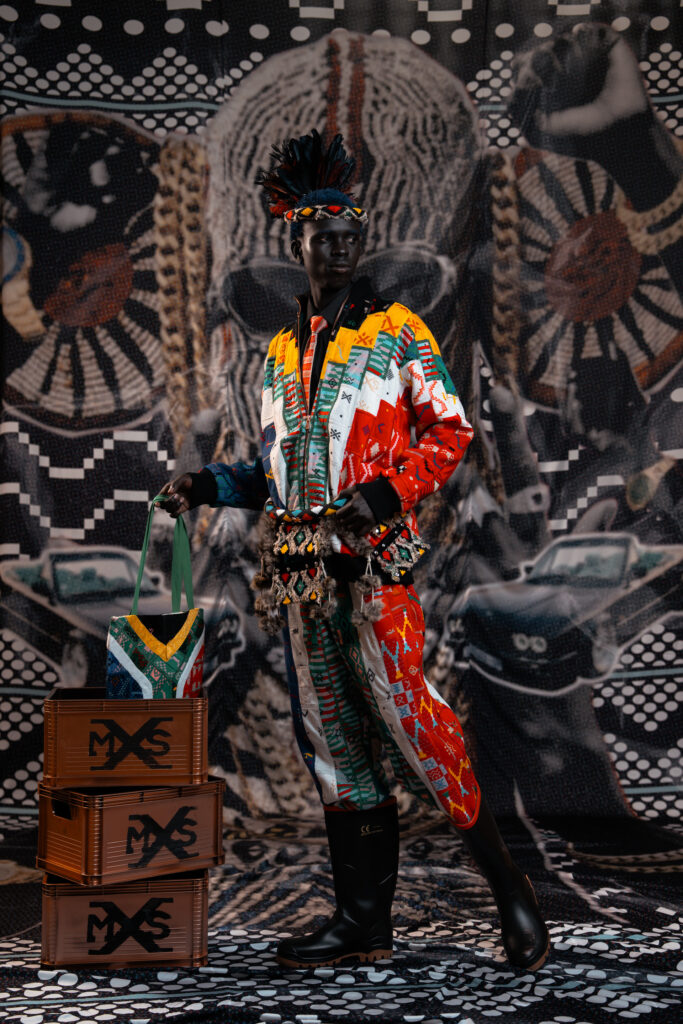
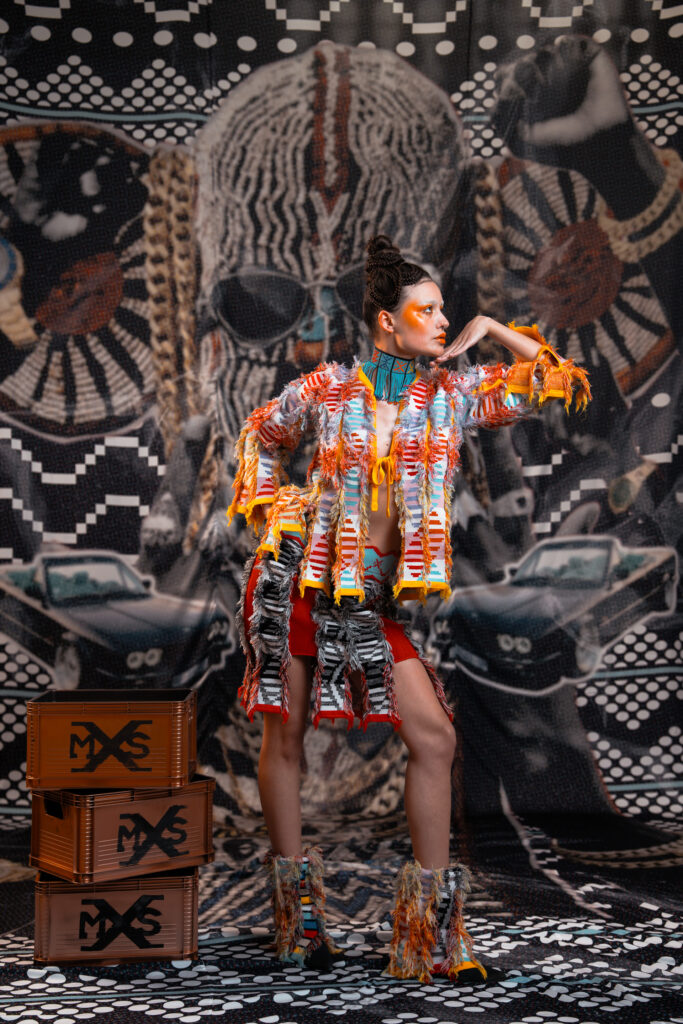
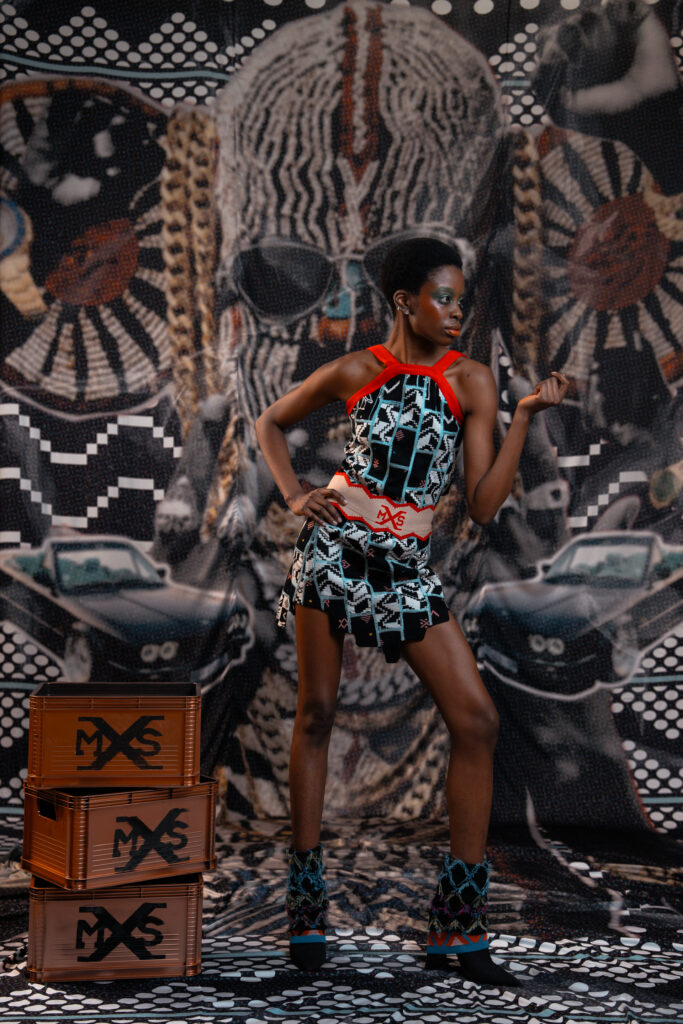
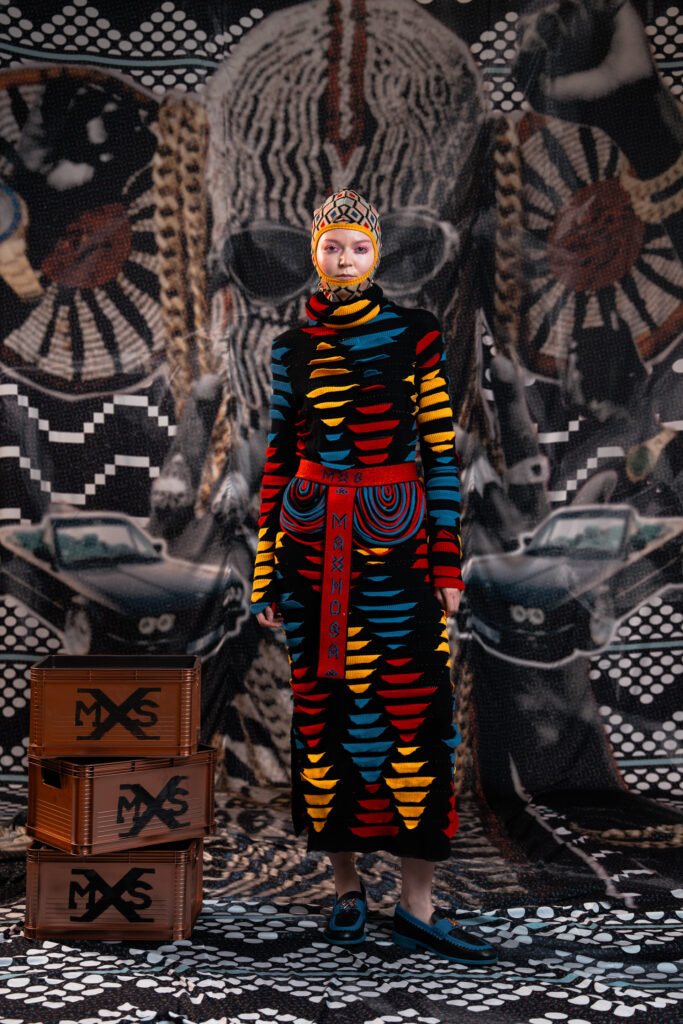
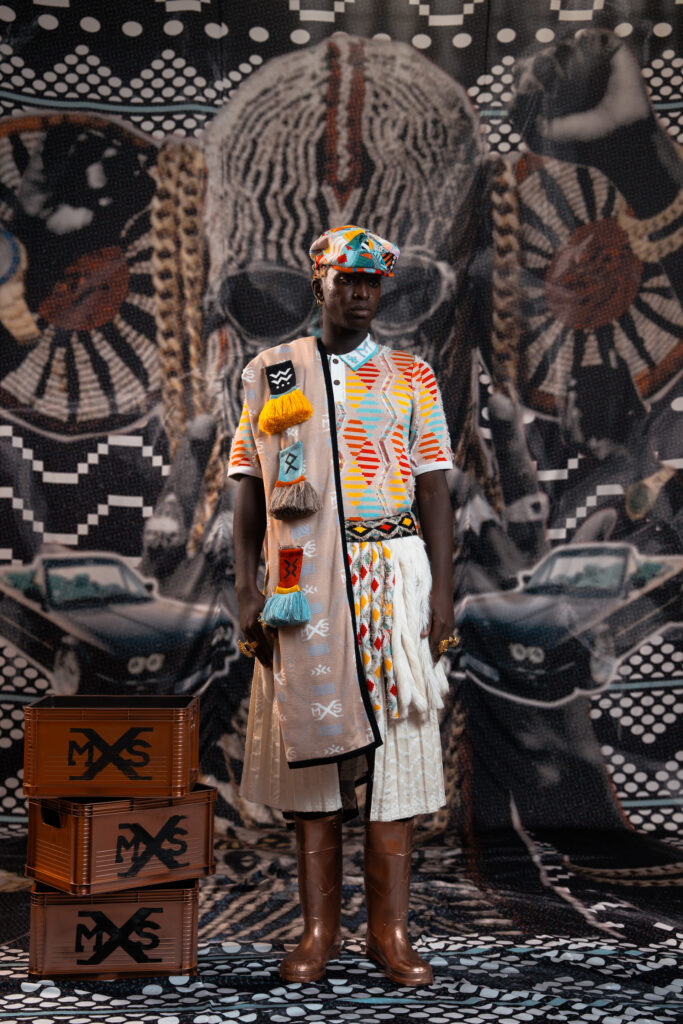
Ngxokolo’s work has historically drawn from Xhosa culture, translating traditional references into contemporary knitwear and fashion. More recently, the brand has expanded its cultural vocabulary. Its autumn/winter 2026 collection, Siyi-Kulture, explored references from Xhosa, Zulu, Pedi, Tsonga and Swati cultures, reflecting a broader interpretation of African identity.
That evolution is important because culture is not static. Fashion provides a way for heritage to remain visible while allowing it to change with the generations who inherit it.
Craftsmanship Gives African Luxury Its Substance
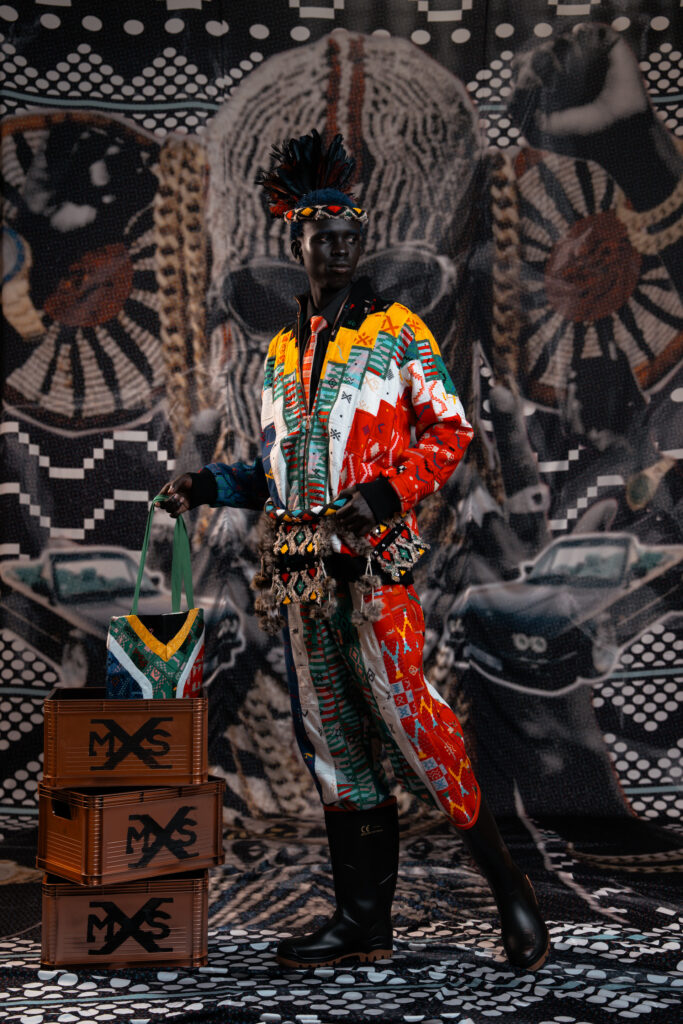
Luxury has always been closely associated with craftsmanship, but the contemporary luxury consumer is increasingly interested in provenance: where a product comes from, how it is made and the knowledge behind it.
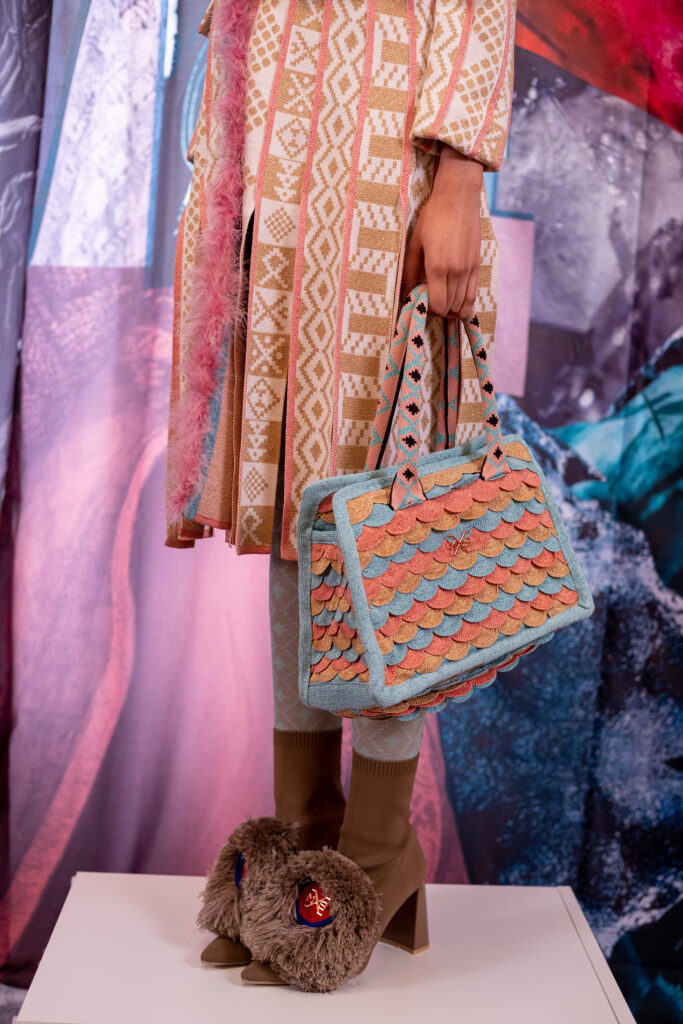
Maxhosa Africa places craftsmanship at the centre of its proposition. Its knitwear has become closely associated with the house, while its work with artisans connects contemporary fashion to forms of cultural knowledge that have been passed between generations.
This creates an important conversation around African luxury. Craft is not simply a production technique; it can carry history, identity, and economic opportunity. When those elements become part of a globally recognised fashion house, African craftsmanship gains a different kind of visibility.

South African Design Enters a Larger Luxury Conversation
Maxhosa Africa’s Paris presence also challenges the way South African fashion is positioned internationally.
South Africa has a strong creative economy spanning fashion, art, music, design and photography. Yet international conversations around luxury have historically centred on established European fashion capitals and their institutions.
Maxhosa offers another perspective. Its journey suggests that a brand can remain firmly connected to its place of origin while developing an international luxury proposition.
That is particularly relevant as global fashion becomes more interested in cultural specificity. Consumers are increasingly looking for brands with a clear point of view, distinctive provenance and stories that cannot simply be replicated.
African Luxury Is Moving Beyond Representation
There is a meaningful difference between being represented in global fashion and actively contributing to its direction.
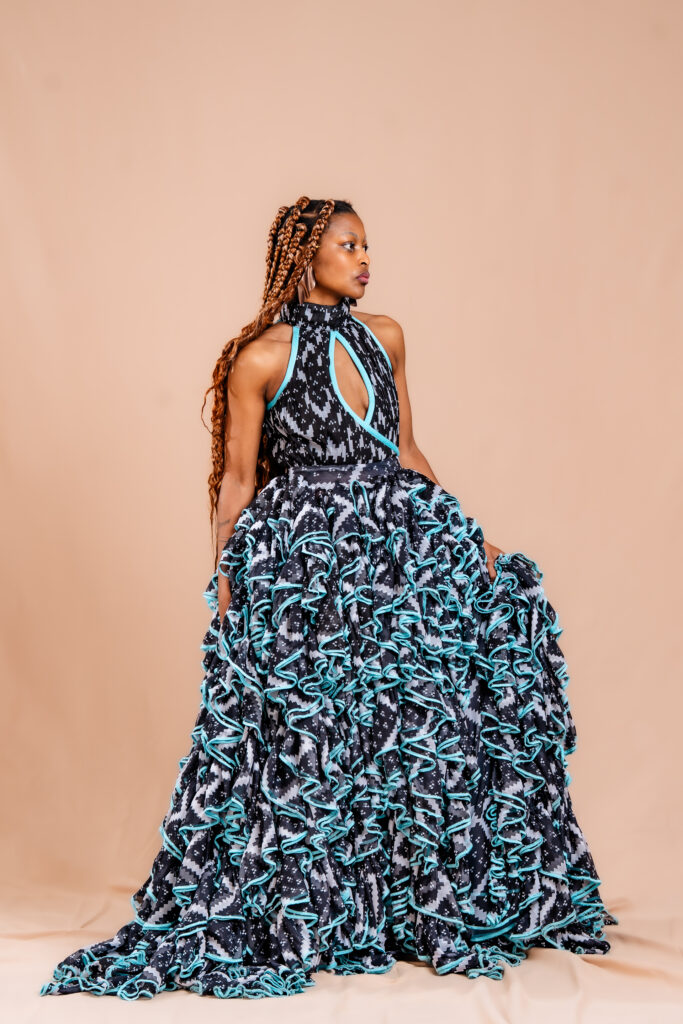
Maxhosa Africa’s continued presence on the international fashion circuit shifts the conversation towards the latter. The brand is not simply bringing African aesthetics to a European audience; it is developing an interpretation of luxury informed by African culture, craftsmanship and contemporary design.
This distinction matters. African fashion does not need to become less African to be considered sophisticated or desirable internationally. Its cultural specificity can be precisely what gives it value.
Paris Becomes a Platform for What Comes Next
The significance of Maxhosa Africa at Paris Fashion Week ultimately extends beyond a single collection or fashion season. It speaks to a broader change in how African creativity is being understood globally.
The opportunity now is to build on that visibility through stronger creative ecosystems, investment in craftsmanship, international retail and greater ownership of African intellectual and cultural property.
For Maxhosa Africa, Paris provides the platform. South Africa provides the foundation.
The most compelling part of this story is therefore not simply seeing an African brand on a Paris runway. It is watching African cultural identity move from being a reference within global fashion to becoming part of the conversation about what luxury itself can look like.


Related Articles

Atopic eczema: why South African women should stop calling it dry skin
Atopic eczema affects an estimated 9.1% of South African women,…
Bang & Olufsen Packs for 2026: Three Ways to Carry Beautiful Sound
The Danish audio house has assembled a travel collection for…
Nedbank Golf Challenge 2026: Africa’s Major Returns to a Transformed Sun City
When the 44th edition of the Nedbank Golf Challenge tees…