
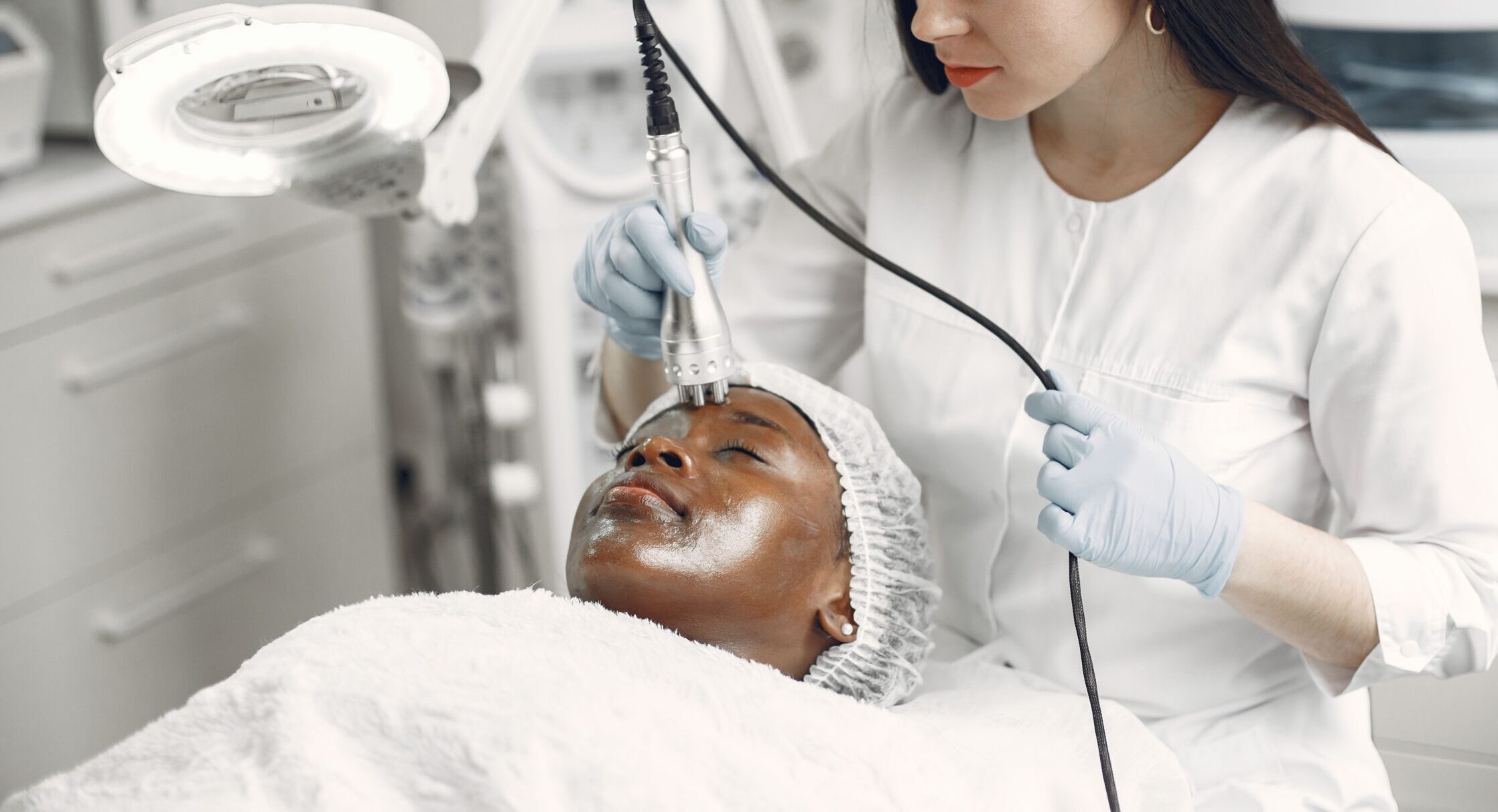
Atopic eczema affects an estimated 9.1% of South African women, almost double the rate recorded in men, yet it is still filed under skincare rather than medicine. Dermatologists say that habit, the reflex to call it dry skin and reach for another moisturiser, is one of the biggest barriers to proper treatment. As the country moves out of winter and into the season when skin tends to react, the distinction is worth making.
There is a kind of calculation that never appears in a medical record. It happens in front of a mirror on an ordinary Tuesday, when a woman chooses long sleeves in warm weather, reaches for a heavier foundation, or moves a meeting because her skin changed overnight. Individually, none of it registers as a health decision. Collectively, it becomes the shape of a week.
For the estimated 9.1% of South African women living with atopic eczema, that calculation is routine. What it rarely becomes is a reason to see a doctor.
That gap, between how much the condition costs and how seriously it is treated, is the story worth telling this Women’s Month. Atopic eczema is not a skincare inconvenience that flares in dry weather. It is a chronic inflammatory condition, and the language women use to describe it has quietly kept it from being managed as one.
Atopic eczema is not a skincare problem
“Just eczema.” “Just dry skin.” “It always does this in winter.”
The phrasing sounds harmless, and it is how a treatable medical condition ends up outside the healthcare system entirely. According to Johannesburg based dermatologist Dr Pholile Mpofu, normalising ongoing symptoms is one of the biggest barriers to better outcomes for women living with the condition.
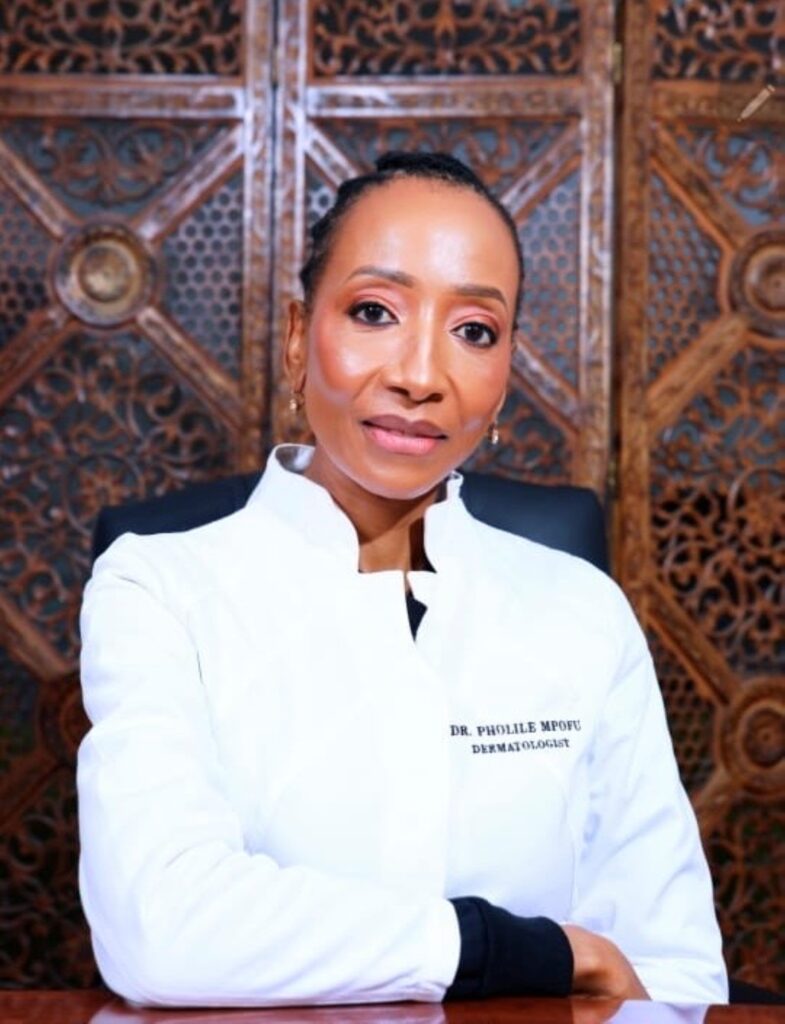
“Atopic eczema isn’t simply dry skin, and it isn’t a cosmetic concern. It’s a chronic inflammatory condition, with inflammation occurring beneath the surface of the skin. That’s why moisturisers and lifestyle adjustments alone are often not enough to achieve lasting disease control.”
That single distinction changes the conversation. Framed as a cosmetic issue, atopic eczema invites cosmetic solutions, and women can spend years cycling through over the counter creams, careful routines and trigger avoidance without ever learning that medical treatment is an option. Framed as inflammation, it becomes something a healthcare professional is meant to diagnose and manage.
For people with mild atopic eczema, moisturisers may genuinely be enough to keep skin comfortable. For those whose flares keep returning, they are a holding pattern rather than a plan.
What the mirror does not show
The visible signs, redness, flaking and patches that appear without warning, are the part of the condition everyone recognises. They are also the least of it.
Research published in Acta Dermato-Venereologica found that insomnia affects more than 80% of adults living with atopic eczema, a figure that reframes the condition entirely. A disease that keeps four in five patients from sleeping properly is not a skin problem with a psychological footnote. It is a whole health problem that happens to present on the skin.
Around that sit the smaller adjustments: a wardrobe built to conceal rather than to please, social plans reconsidered, a pause before a handshake or a sleeveless dress. Dr Mpofu notes that the condition can also affect emotional wellbeing, with many people experiencing stress, anxiety, low mood, reduced concentration and insecurities about their skin.
None of that appears in a photograph, which may be precisely why it goes unreported. Because atopic eczema ebbs and flares rather than following a predictable course, women tend to fold constant symptom management into daily life so efficiently that they stop registering it as a condition at all. Coping becomes the treatment plan by default.
“Women frequently underestimate how much a flare is affecting them,” says Dr Mpofu. “They’ll describe disrupted sleep, low energy, anxiety before social occasions or frustration with recurring symptoms without connecting those experiences back to their skin. Yet uncontrolled atopic eczema affects physical health, emotional wellbeing and quality of life all at once. It’s rarely just about the skin.”
“Uncontrolled atopic eczema affects physical health, emotional wellbeing and quality of life all at once. It’s rarely just about the skin.” Dr Pholile Mpofu
A recognition gap on darker skin
There is a further reason atopic eczema is underdiagnosed in this country, and it sits with clinicians as much as with patients.
“In people with darker skin tones, redness may be less noticeable and can appear brown, purple or grey, making the condition more difficult to recognise,” says Dr Mpofu.
In a population as diverse as South Africa’s, that matters enormously. A condition described in textbooks primarily by redness is a condition set up to be missed on the majority of the people living here. Where the classic visual cue does not present in the classic way, the burden of raising it shifts back to the patient, who has usually already decided her skin is simply dry.
The prevalence data hints at another blind spot. That 2025 global epidemiology study put physician confirmed atopic eczema at 9.1% among South African women against 5.2% among men.¹ Whatever sits behind that difference, it means the condition is disproportionately a women’s health issue in this market, and it is seldom discussed as one.
Beyond getting through the next flare
Seasonal change is a recognised trigger for atopic eczema, with research showing increased healthcare visits during periods of changing weather. The move into spring is therefore a practical prompt rather than a symbolic one. It is the point in the year when many women will notice their skin reacting and reach, once again, for a product rather than an appointment.
Persistent itching, recurring flares, disrupted sleep or a pattern of avoiding situations because of how skin looks or feels are, in Dr Mpofu’s view, all signs that symptoms deserve a conversation with a healthcare professional.
What has shifted, and what most patients have not been told, is the standard being aimed at. Treatment goals have moved on considerably in recent years, and better disease control may be achievable for appropriate patients once the condition is properly diagnosed and managed in partnership with a healthcare professional or dermatologist.
“The goal isn’t simply to get through the next flare,” says Dr Mpofu. “It’s to work towards meaningful disease control so skin health stops dictating so many everyday decisions. That shift in mindset, from coping with symptoms to treating the condition, can make a meaningful difference to someone’s quality of life.”
Women’s Month tends to generate campaigns that ask women to do more. This one asks for something smaller and considerably more useful: that women stop editing the sentence. Not “it’s just my skin”, but a description of what the condition actually costs, said out loud, in a consulting room, to someone qualified to do something about it.
Skin that dictates a wardrobe, a sleep pattern and a social calendar is not a beauty concern. It is a medical one, and it has been waiting a long time to be treated as such.


Related Articles

Bang & Olufsen Packs for 2026: Three Ways to Carry Beautiful Sound
The Danish audio house has assembled a travel collection for…
Nedbank Golf Challenge 2026: Africa’s Major Returns to a Transformed Sun City
When the 44th edition of the Nedbank Golf Challenge tees…
Self-Care for Women: 5 Ways to Find Balance on Your Own Terms
For professional women, balance has long been presented as a…

