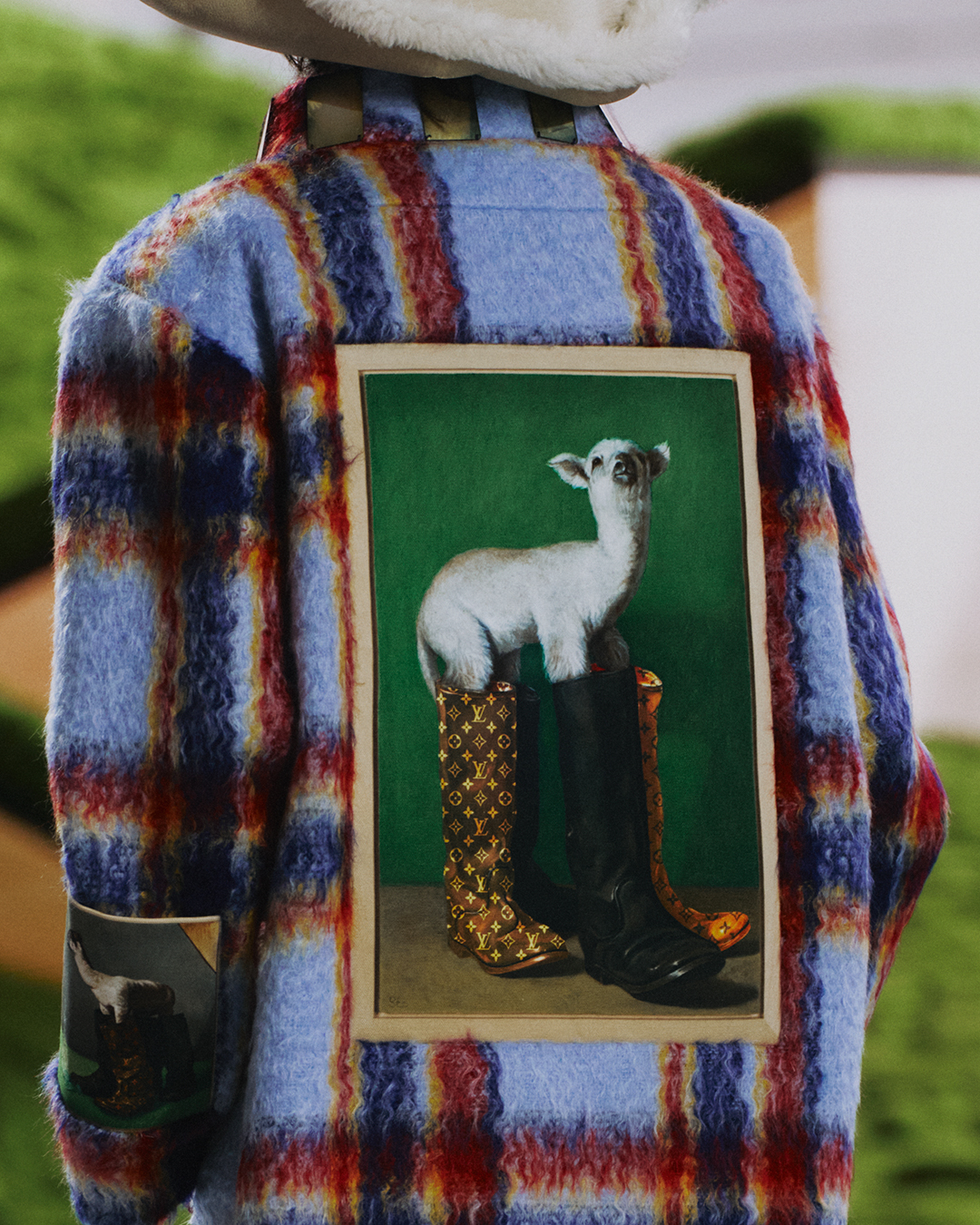
Paris Fashion Week once again demonstrated the creativity, skill, and innovation that define contemporary luxury fashion. From precise tailoring to poetic fabrics and imaginative runway storytelling, this season offered lessons in how clothing can communicate confidence, culture, and fantasy. Here are five essential insights from the AW26 collections, highlighting how key themes were expressed and which brands excelled in bringing them to life.
Powerhouse Tailoring
Tailoring is more than structure; it is a language of confidence and authority. This season, powerhouse tailoring proved that a carefully considered cut and silhouette can convey strength while remaining elegant.
Balmain exemplified this with strong shoulders, creating bold, sculptural silhouettes. Exaggerated yet precise shoulder shapes emphasised drama while maintaining sophistication. The pieces communicated that tailoring can be both commanding and artistic, demonstrating power in every line and proportion.

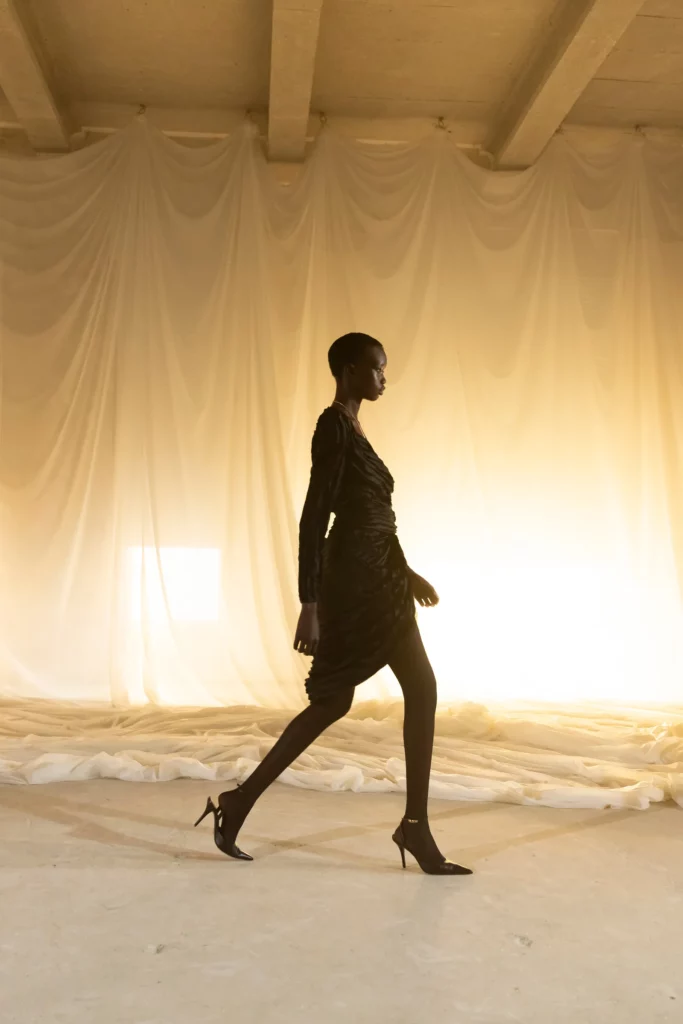
Photo Credit: Vogue Runway
Saint Laurent focused on sharp, structured suits, emphasising clean lines, precise cuts, and balanced proportions. The approach was understated yet commanding, showing that elegance can be just as persuasive as theatricality.
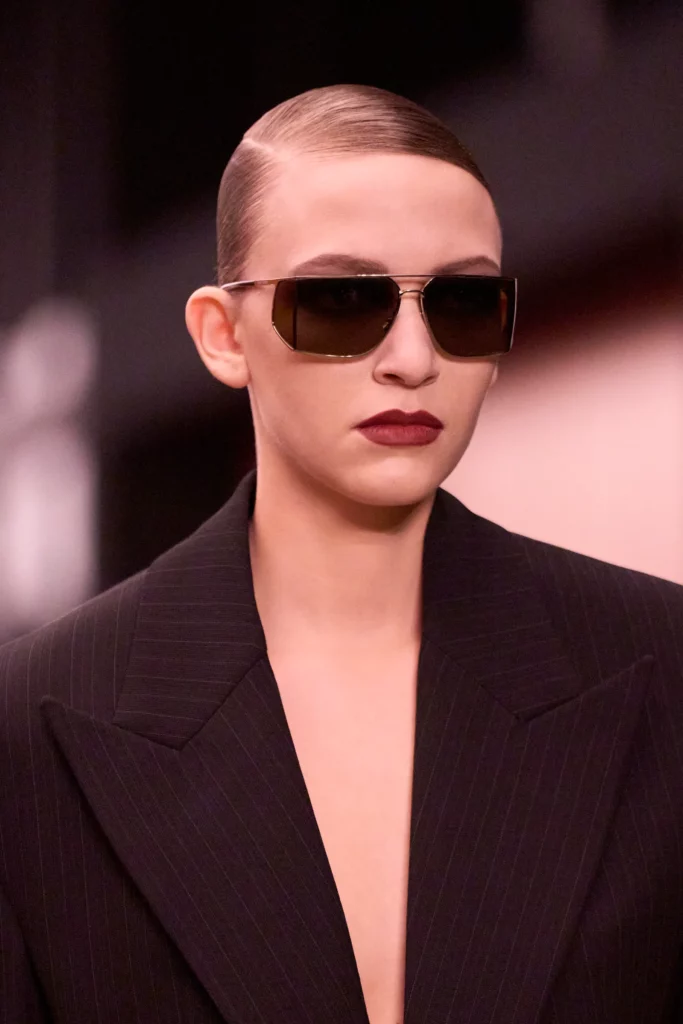
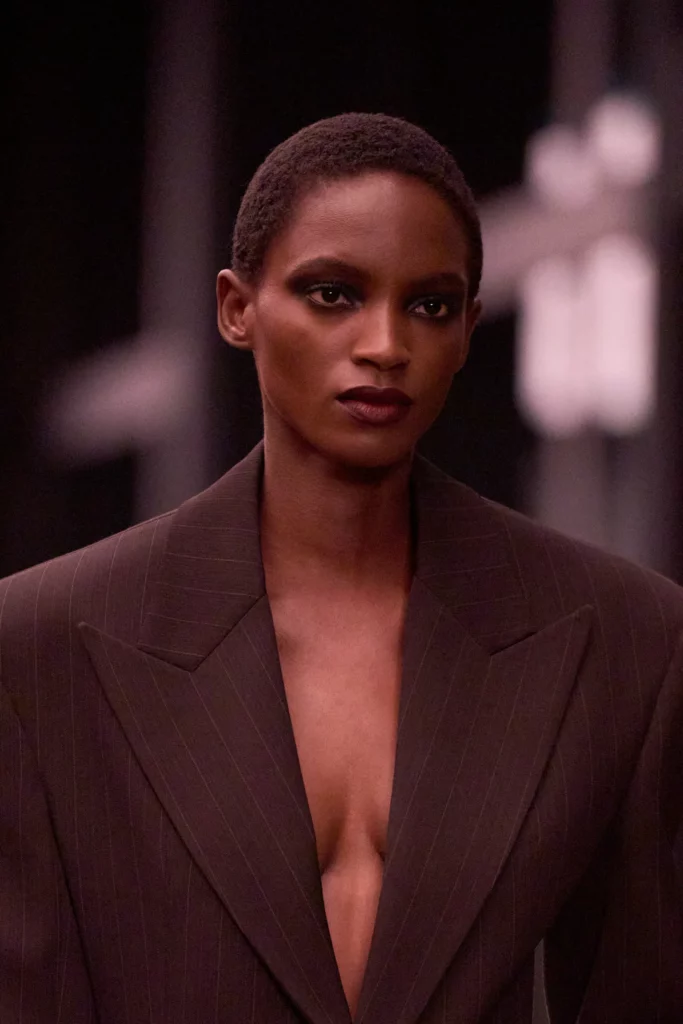
Photo Credit: Vogue Runway
Together, Balmain and Saint Laurent demonstrated the versatility of powerhouse tailoring. While one brand emphasised architectural drama, the other showcased subtle precision, proving that strength in tailoring can take multiple forms and remain relevant to contemporary luxury consumers.
Texture and Craft
Texture and craft celebrated the artistry and skill that define true luxury. In a fashion landscape dominated by fast trends and digital imagery, these collections reminded audiences of the tactile quality, attention to detail, and technical expertise that elevate garments beyond their visual appeal.
Maxhosa Africa brought heritage craftsmanship to the forefront. Knitwear inspired by Xhosa patterns honoured cultural storytelling, showing how traditional techniques can be reinterpreted for modern audiences. Each piece demonstrated that luxury is as much about narrative and cultural depth as it is about aesthetics.
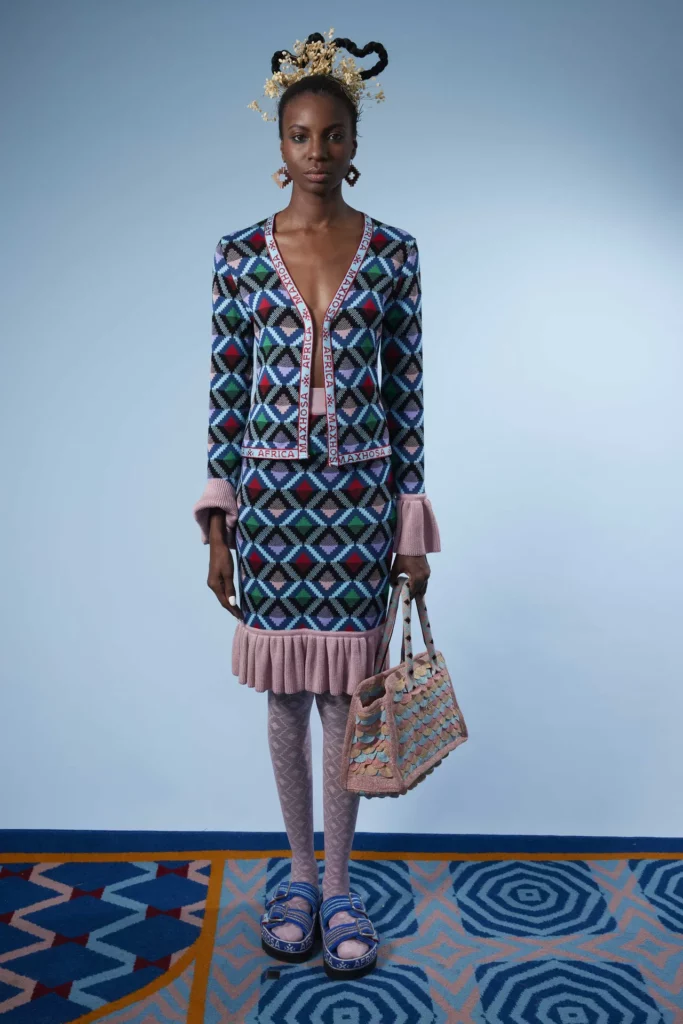
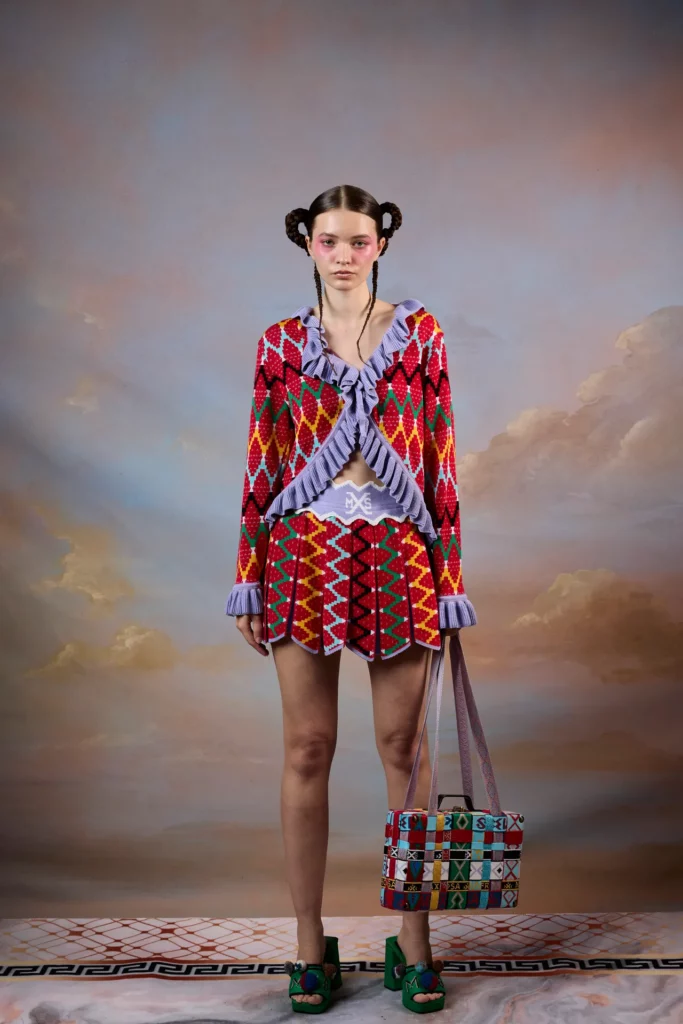
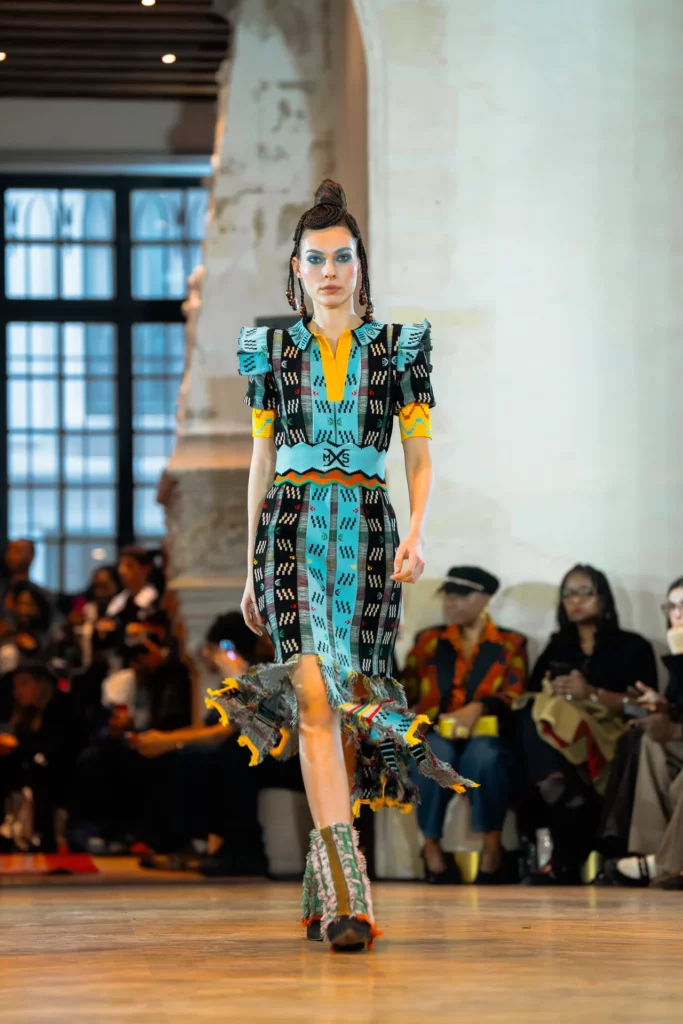
Photo Credit: Vogue Runway
Loewe, in contrast, explored material innovation through refined leatherwork and sculptural pieces. Experimentation with texture and fabric manipulation highlighted inventive approaches, proving that craft in luxury fashion is not limited to tradition but also embraces creativity and experimentation.
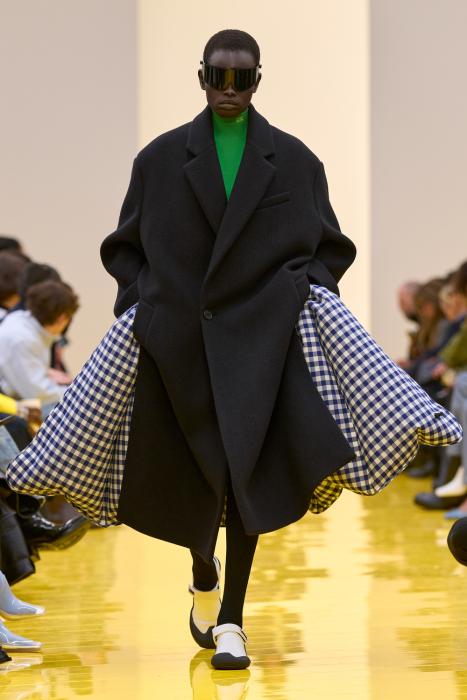
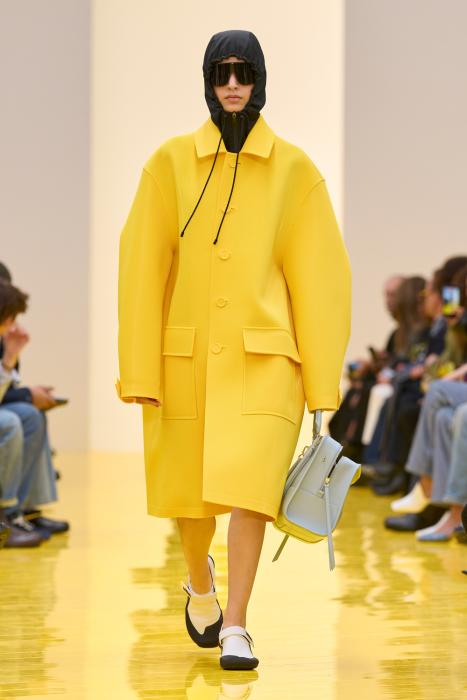
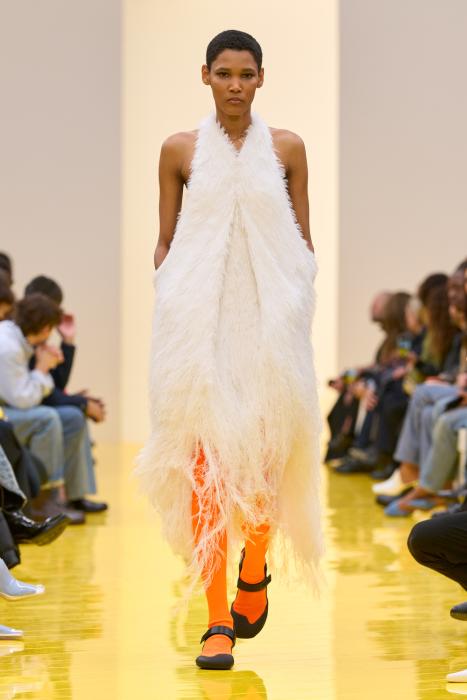
Photo Credit: Vogue Runway
Both Maxhosa Africa and Loewe encouraged a deeper engagement with garments, inviting audiences to appreciate the interplay between texture, detail, and design. Together, they demonstrated how materiality can communicate refinement, skill, and innovation simultaneously.
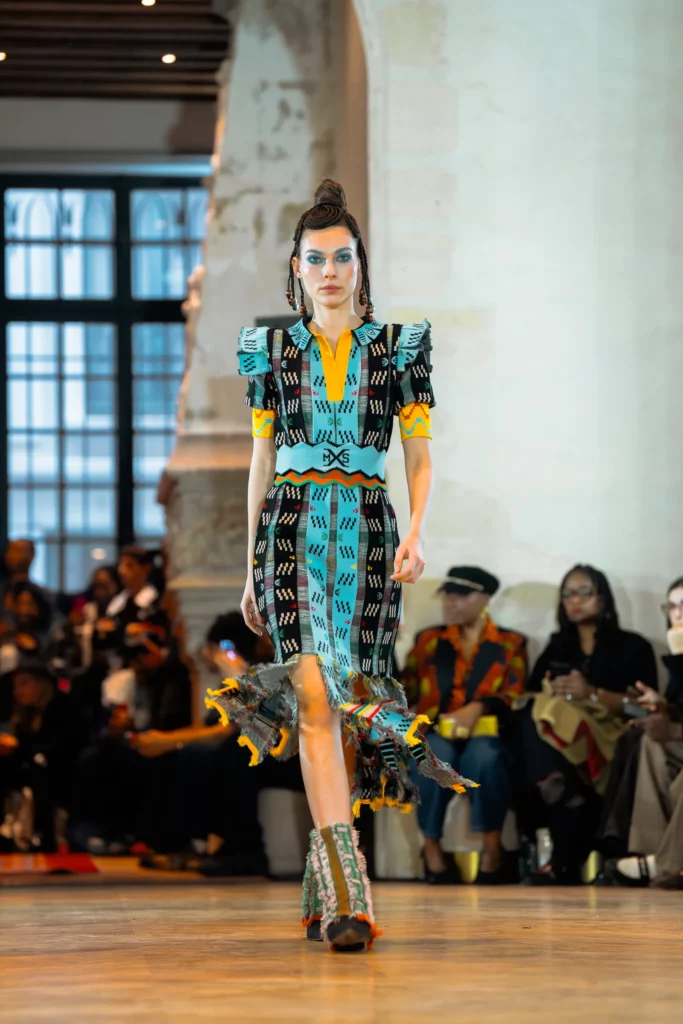
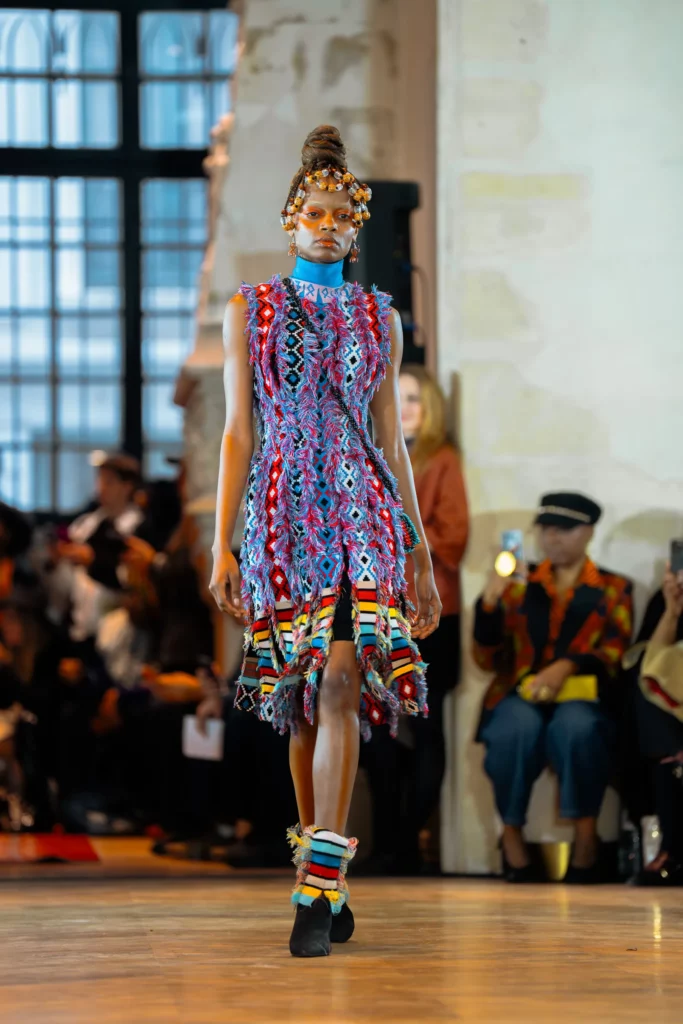
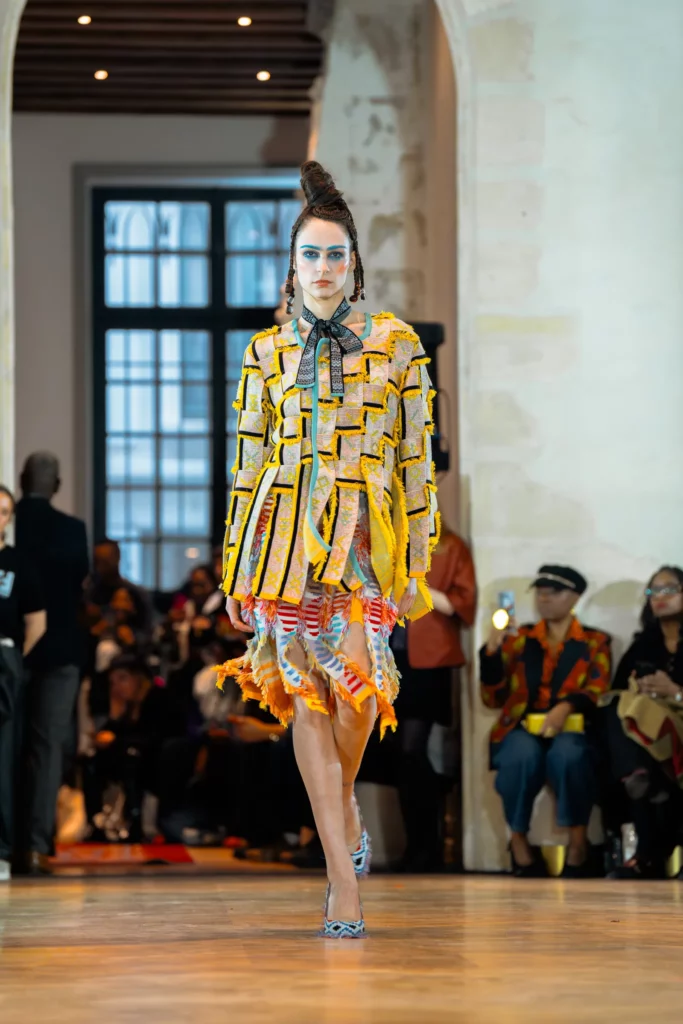
Photo Credit: Vogue Runway
Romantic Fantasy
Romantic fantasy focused on fashion’s capacity to convey emotion, narrative, and aspiration. This theme emphasised garments that feel ethereal, poetic, and dreamlike, offering a softer yet sophisticated interpretation of luxury femininity.
Cecilie Bahnsen captured ethereal silhouettes with soft layering and flowing volumes. The designs suggested movement and elegance, evoking a sense of fantasy that is both subtle and captivating.
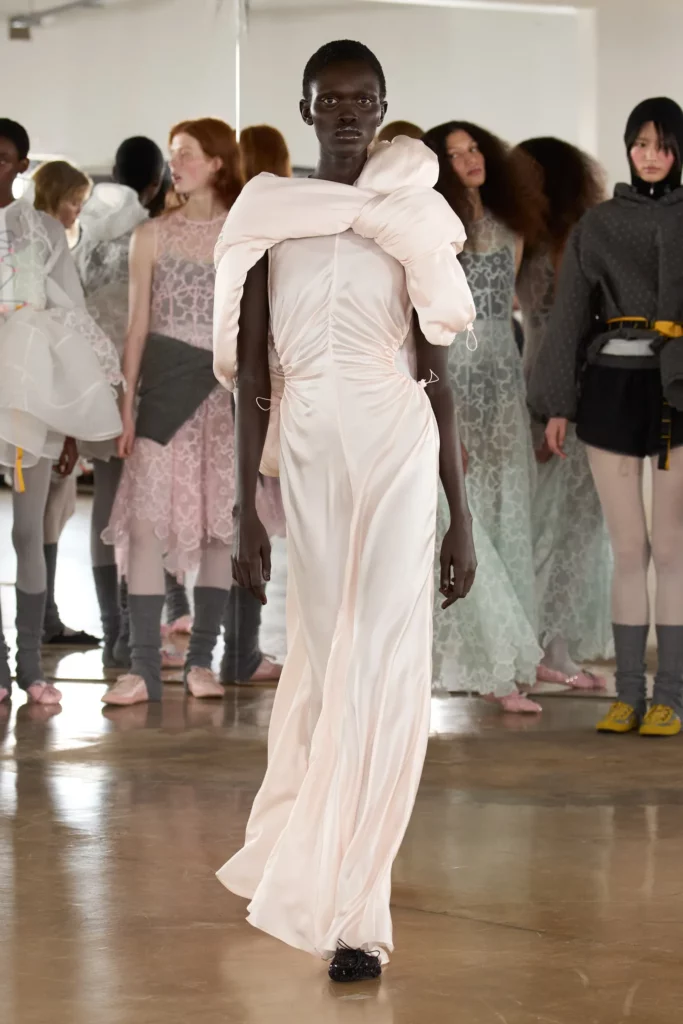
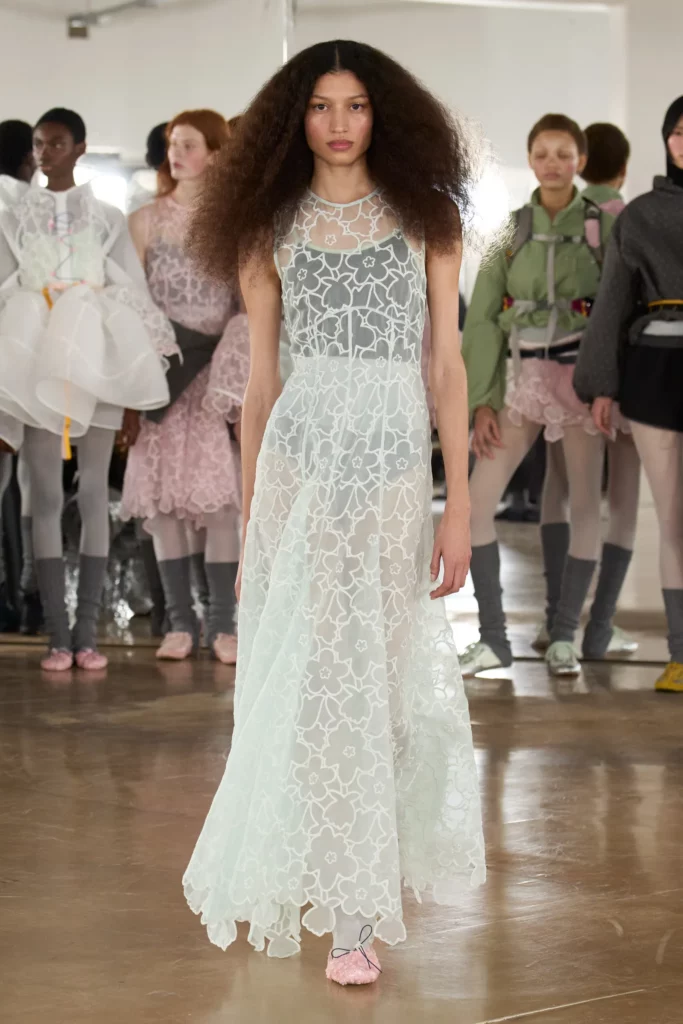
Photo Credit: Vogue Runway
Zimmermann complemented this with delicate textures and fabrics, using silk, chiffon, and fine patterning to create a luxurious, romantic atmosphere. The focus on refined materials elevated the collections, demonstrating how textiles can convey emotion and narrative in addition to theirform.
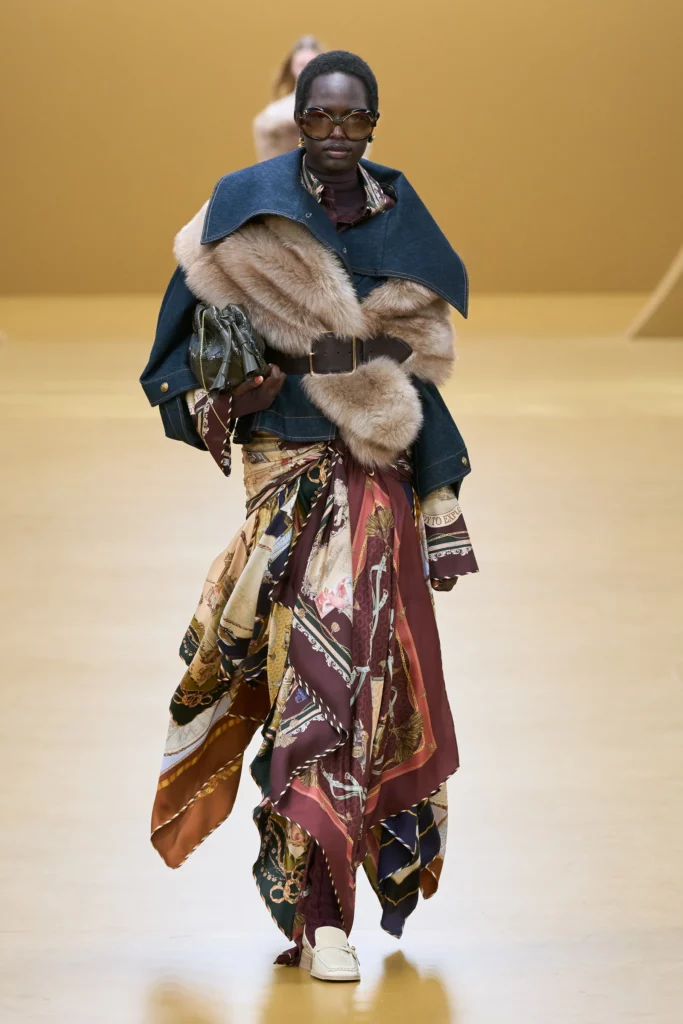
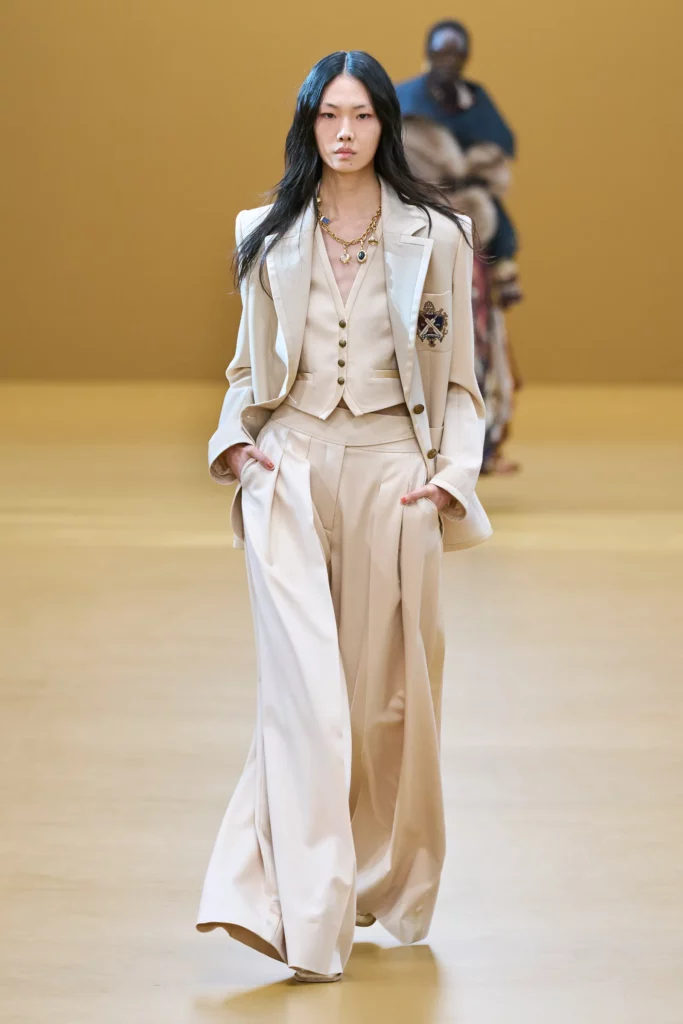
Photo Credit: Vogue Runway
Together, Cecilie Bahnsen and Zimmermann defined modern luxury romance through a careful balance of shape and material. Their collections demonstrated how garments can evoke feeling, turning everyday clothing into poetic statements of style and sophistication.
Bold Femininity
Bold femininity celebrated strength, confidence, and poise in contemporary womenswear. This theme proved that elegance and assertiveness can coexist, offering luxury consumers garments that are both wearable and statement-making.
Givenchy showcased structured feminine silhouettes, combining movement with clearly defined form. Each design communicated confidence while retaining refinement, showing that luxury femininity can be both strong and graceful.
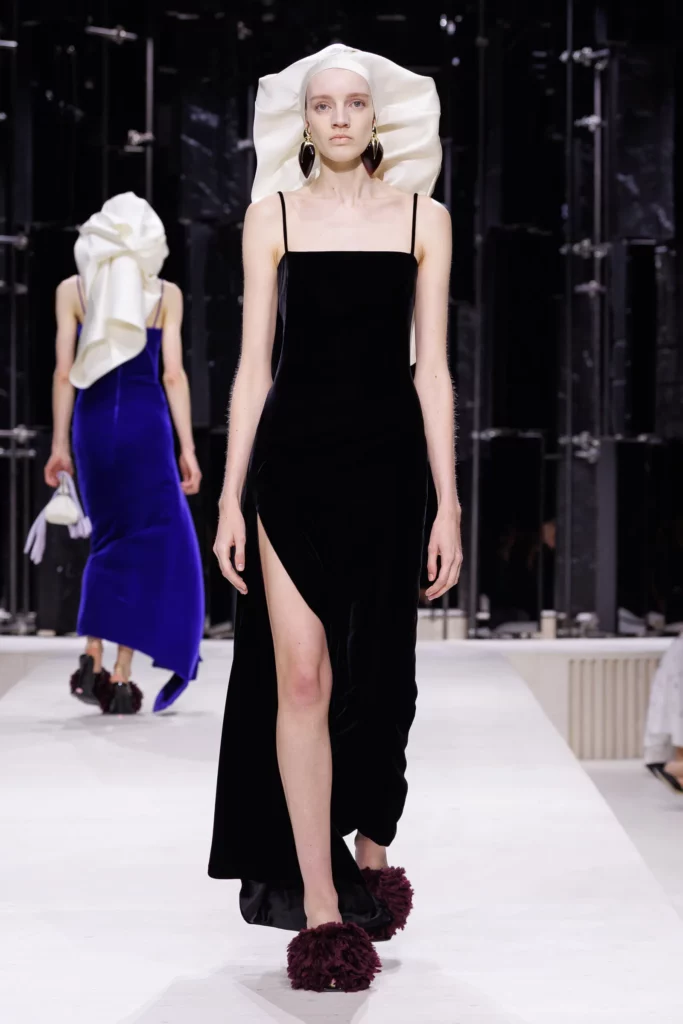
Photo Credit: Vogue Runway
Victoria Beckham emphasised sculpted and elevated detailing. Precise tailoring, luxurious finishes, and considered proportions turned simple shapes into sophisticated statements. The approach demonstrated that bold femininity is defined by exactness, control, and aesthetic clarity.
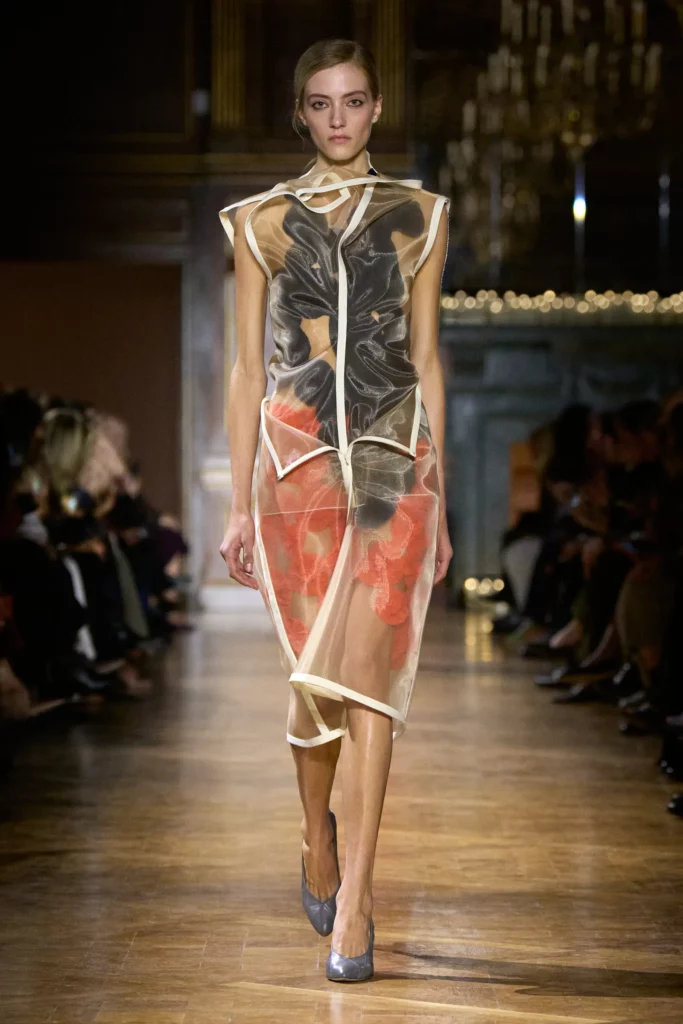
Photo Credit: Vogue Runway
Together, Givenchy and Victoria Beckham offered lessons for luxury consumers who value iconic dressing and modern trend awareness. Their collections highlighted how structure, detailing, and proportion work together to create garments that are commanding yet elegant.
Escapism and Fantasy
Escapism and fantasy illustrated fashion’s ability to transport audiences beyond the ordinary. This theme celebrated narrative-driven design, theatricality, and imaginative storytelling.
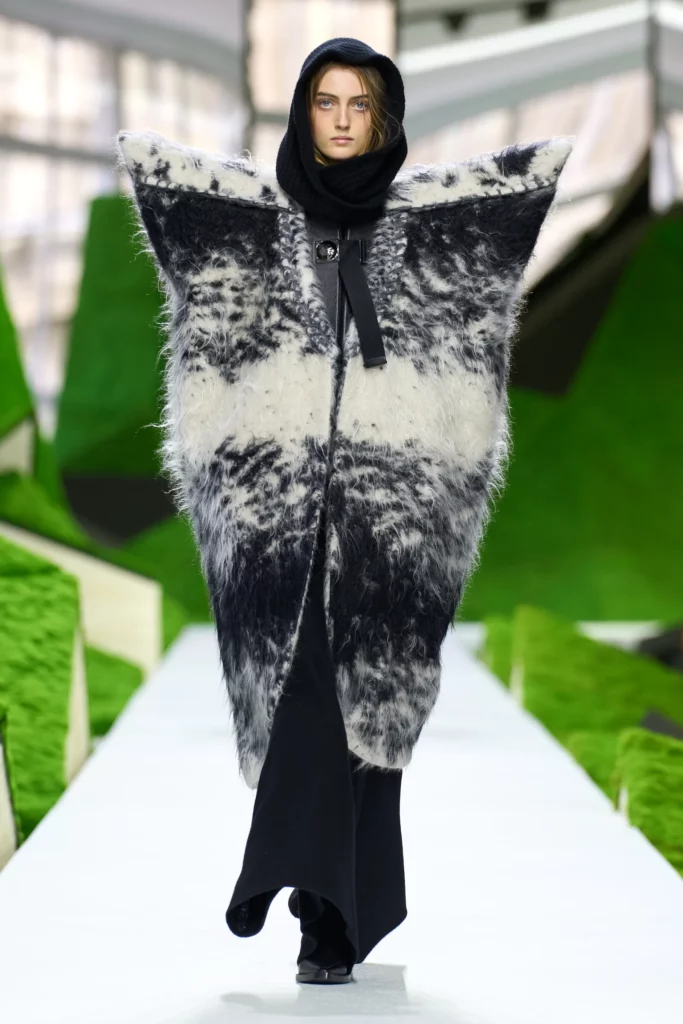
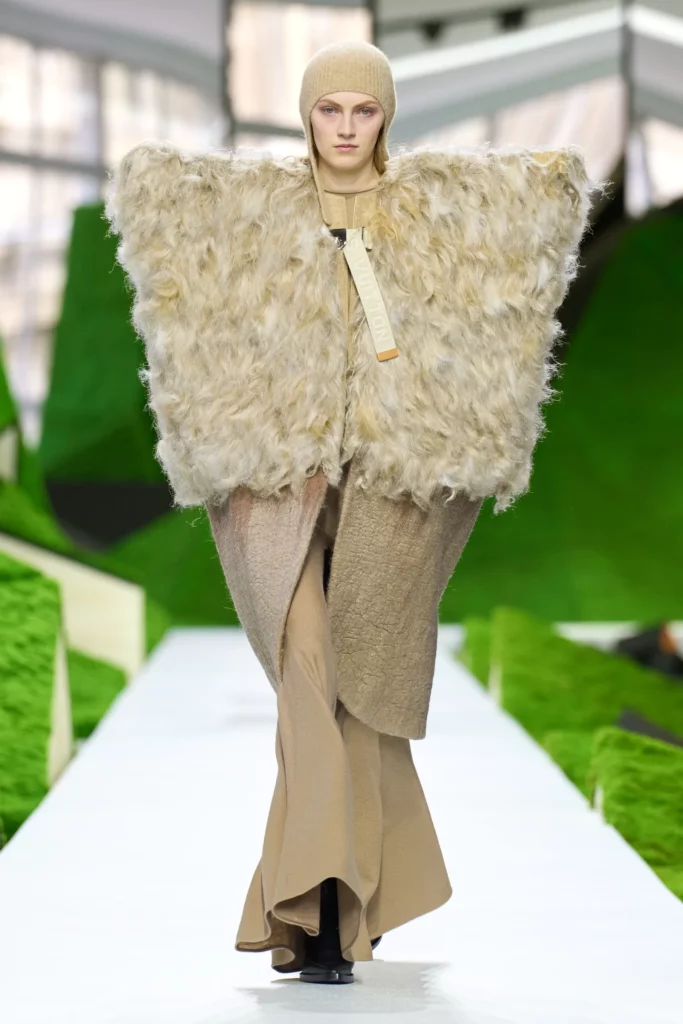
Louis Vuitton excelled in world-building and imagined settings. Runway staging, volume, and design details created immersive experiences that felt cinematic and expansive, transforming clothing into elements of a story.
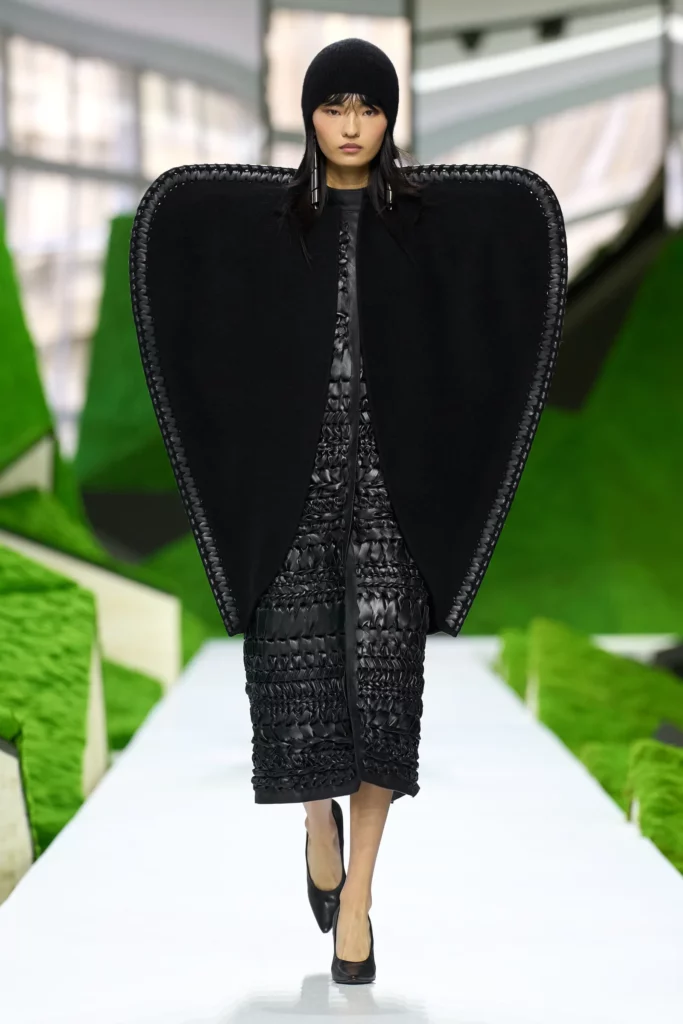
Christian Dior focused on surreal and creative expression, blending classic elegance with whimsical motifs. Fluid lines, natural inspirations, and unexpected combinations emphasised the transformative potential of fashion, showing that imagination is central to contemporary luxury.
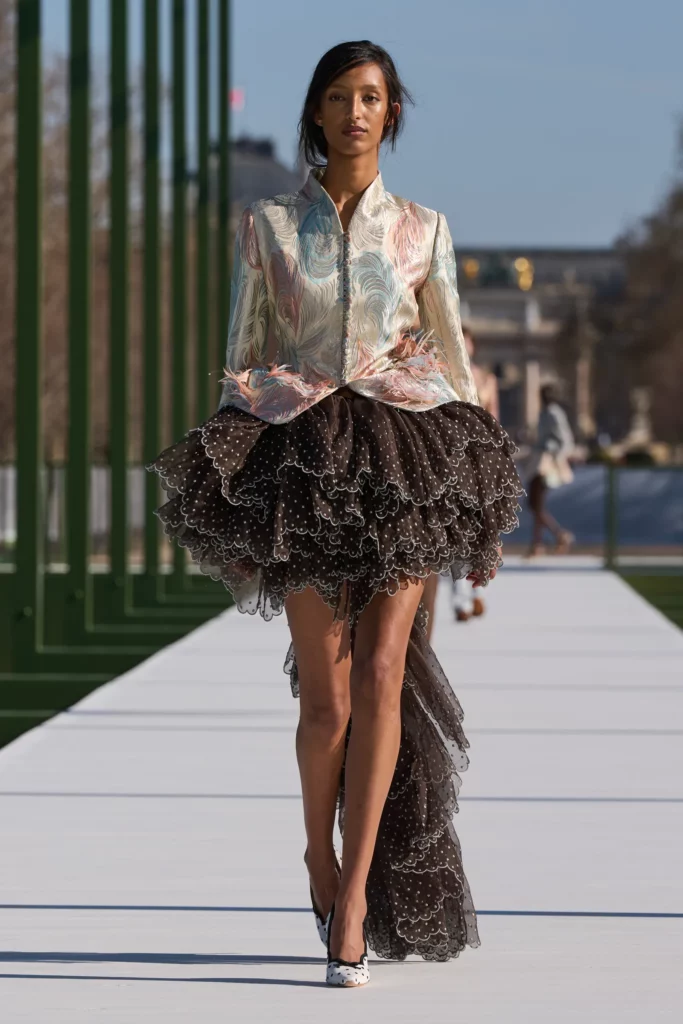
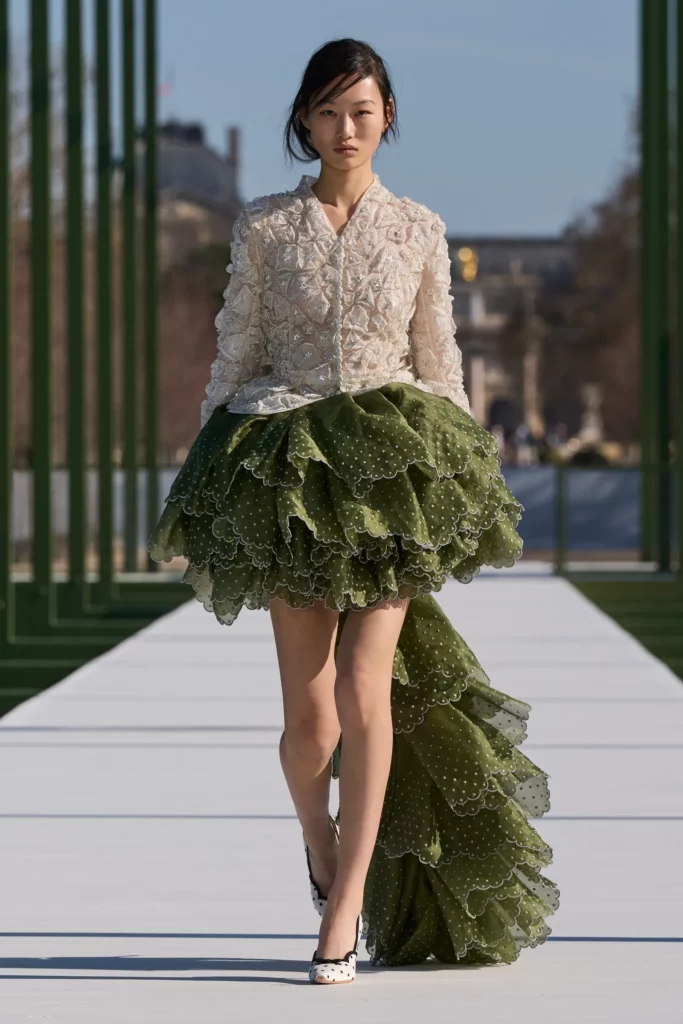
Photo Credit: Vogue Runway
Both Louis Vuitton and Christian Dior demonstrated how narrative storytelling can elevate garments from clothing to experience. Through theatrical presentation and conceptual design, the brands reminded audiences that luxury fashion is about emotion, imagination, and the world’s garments can evoke.
Concluding Insights
Paris AW Fashion Week offered five essential insights into the directions luxury fashion is taking this season. From confident tailoring to intricate textures, from poetic romance to bold femininity and imaginative fantasy, each theme highlighted a different way designers communicate meaning and aspiration. The featured brands brought these themes to life, showing how global and cultural influences intersect to create garments that are not only visually striking but also emotionally and conceptually rich. For fashion enthusiasts and industry observers alike, the season reaffirmed that contemporary luxury remains a dialogue between skill, creativity, and storytelling.


Related Articles

Atopic eczema: why South African women should stop calling it dry skin
Atopic eczema affects an estimated 9.1% of South African women,…
Bang & Olufsen Packs for 2026: Three Ways to Carry Beautiful Sound
The Danish audio house has assembled a travel collection for…
Nedbank Golf Challenge 2026: Africa’s Major Returns to a Transformed Sun City
When the 44th edition of the Nedbank Golf Challenge tees…